Deprecated: Function WP_Dependencies->add_data() was called with an argument that is deprecated since version 6.9.0! IE conditional comments are ignored by all supported browsers. in /home/customer/www/stevedorst.com/public_html/blog/wp-includes/functions.php on line 6260

Blog

Beirut Dispatch: 5 Things I Learned in Lebanon

photoBeirut is a complete blast. The people are dynamic, the food crazy good, and in a week I’m all over the country, from the Syrian border in the north to close to Israel in the south. Here’s five things I learned during my film shoot in Lebanon.

1. Beirut’s got an image problem


When I told friends I was going to Beirut, all conversations and Facebook comments were variations on “be safe, be careful.” Some mentioned Hezbollah. Most focused on the Syrian civil war, which has already sent almost a million refugees into Lebanon (a small country of only 4 million that is ill-equipped to welcome so many people.)
Turns out, concerns aren’t overblown. The night I arrive, police stop me for more than an hour near my hotel. They don’t like my camera equipment (it doesn’t help that the hotel is catty-corner to Parliament!) My taxi driver has a soccer ball, so we juggle on the cobblestones while Mr. Police speaks, at length, on his iPhone. No dice. Ultimately, my hosts book me in a less sensitive accommodation. Aaaah, sweet sleep.


2. Dynamic and cool, the Lebanese carry on


The first day of shooting goes according to plan.

That literally is the most beautiful sentence you can write if you’re a filmmaker abroad.

“Yes, there are bombs . . . If you die, you die.”

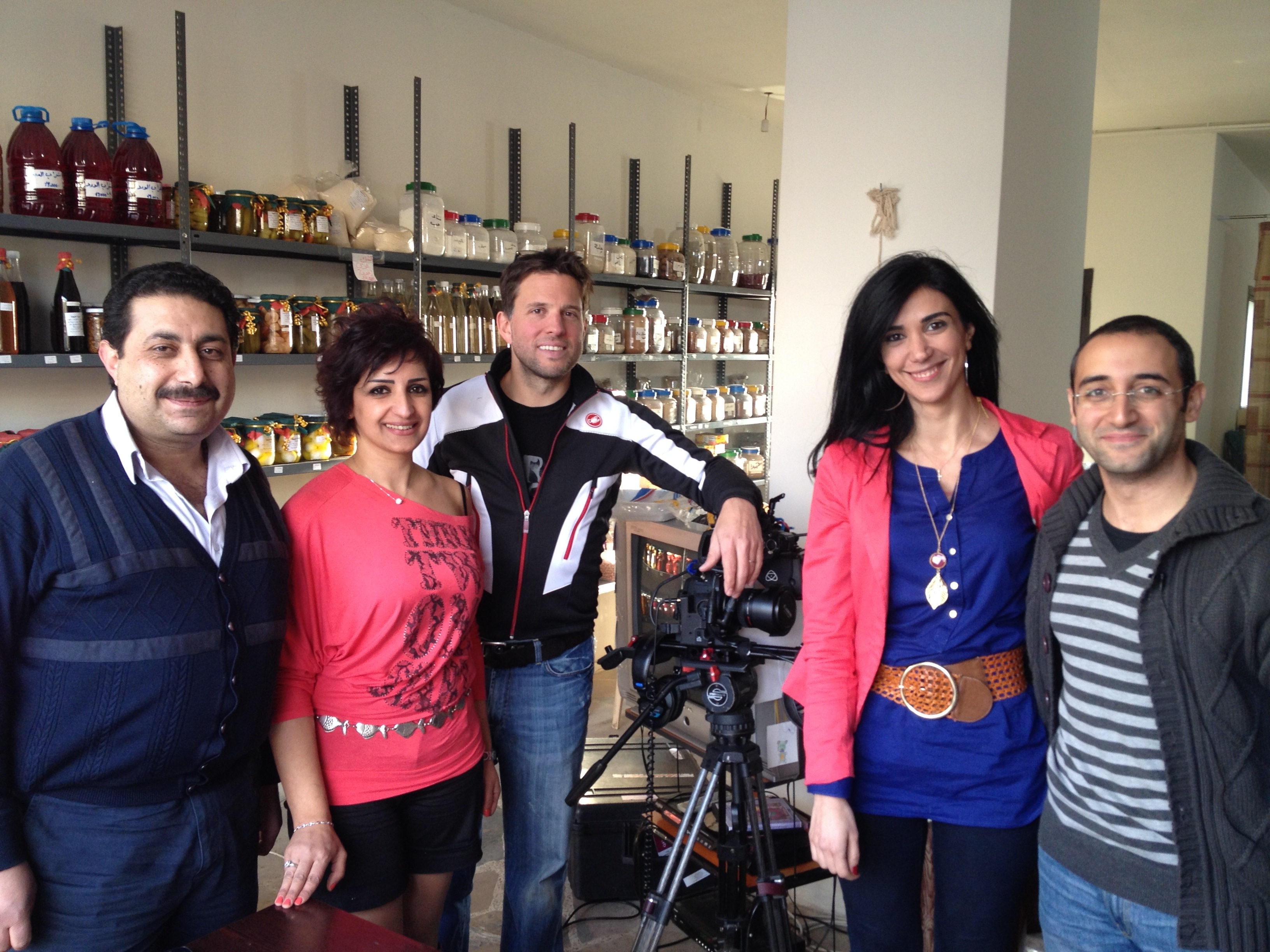
This is 100% due to my team in Beirut, the all-Lebanese staff of the USAID-funded Lebanese Investment in Microfinance project. All logistics, scheduling, transport, and access issues are worked out in advance. Thanks Khalil, Carla, Mahmoud, Moussa, Liliane!

Here’s a few things I hear throughout the day—the likes of which don’t float around the local Whole Foods back home: “We had our own civil war for 20 years, and we didn’t all go running into other countries!” . . . “The refugees get a stipend at the border. Then they accept lower pay in our jobs. Our young men can’t compete!” . . . “Yes, there are bombs. But we go out almost every night: if you die, you die.”

Day one’s a wrap. I’m impressed at the work ethic and efficiency of my team. I’m also surprised by how sanguine people remain despite the dicey security situation.

Dynamic and cool, the Lebanese carry on.


3. Fishing is an endurance sport


Jet lag sucks.

I don’t get to sleep until past 3am. I hate my 4am wake-up call. I despise the 4:45am pick-up. It’s still pitch black as we drive up the coast to the tiny fishing village of El Beddaoui, in Chekka.
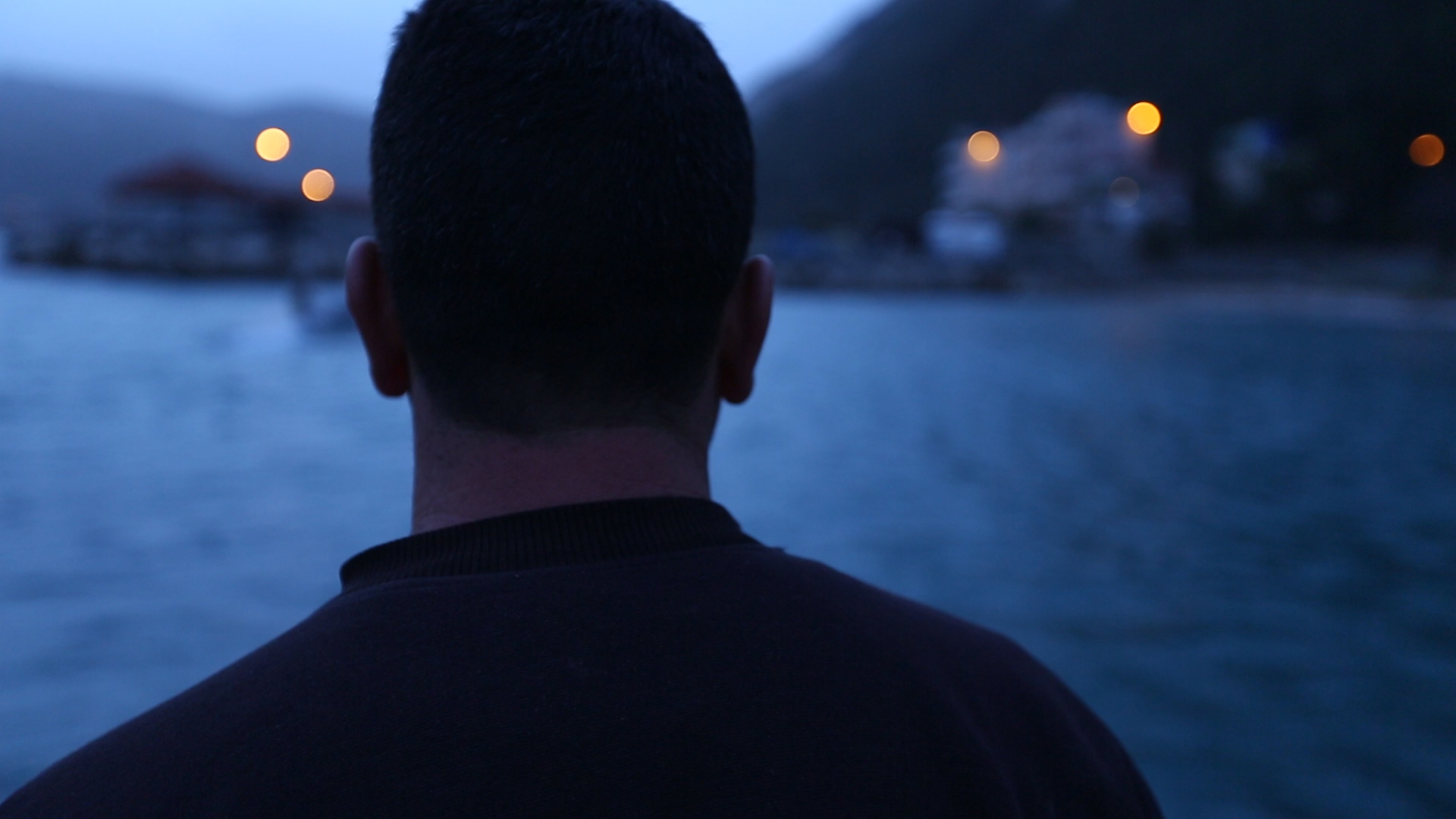
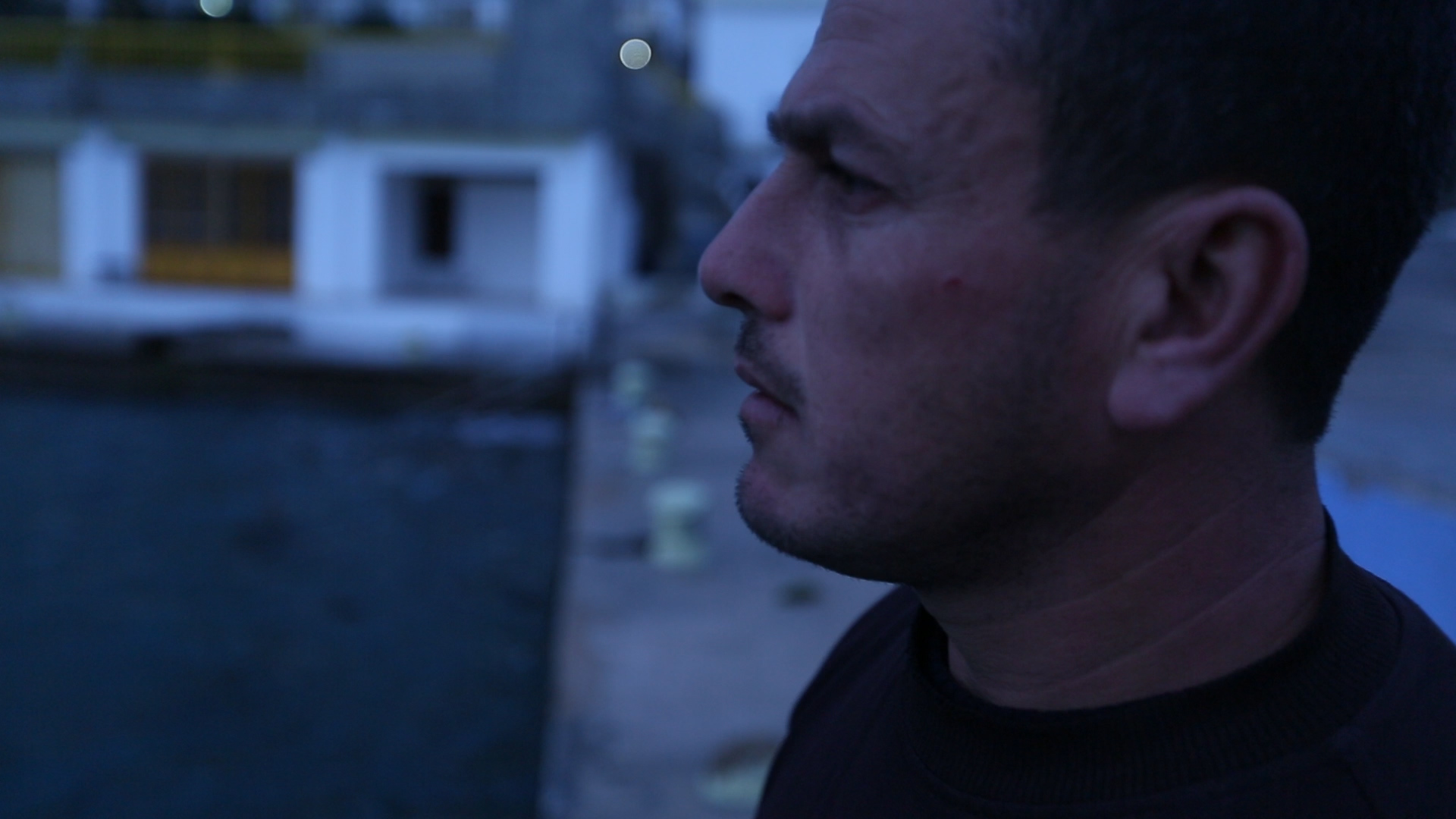
What I don’t know is that we’re less than an hour from the Syrian border. And minutes from the sectarian violence in Tripoli—where we’ll go before lunch.

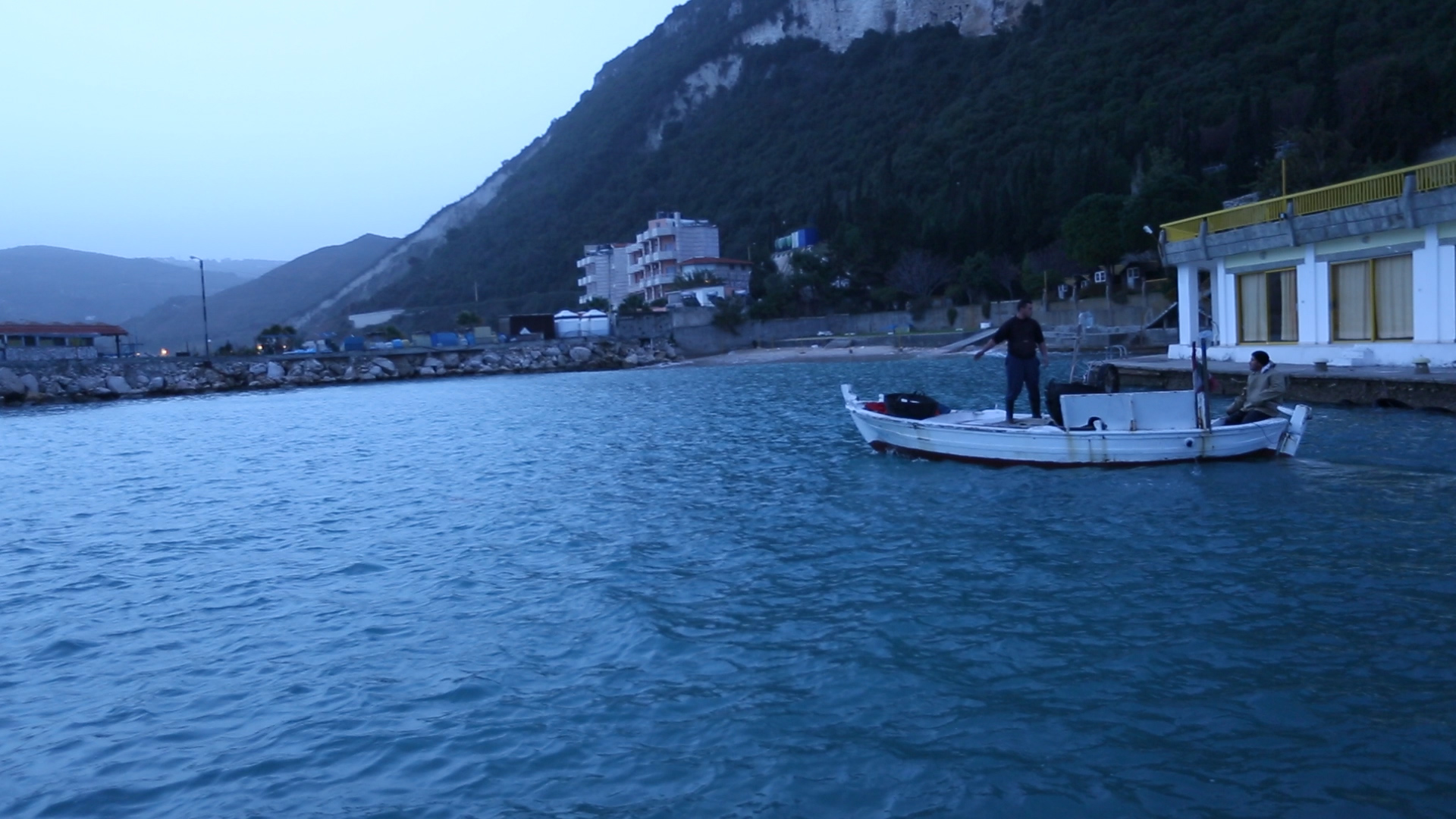
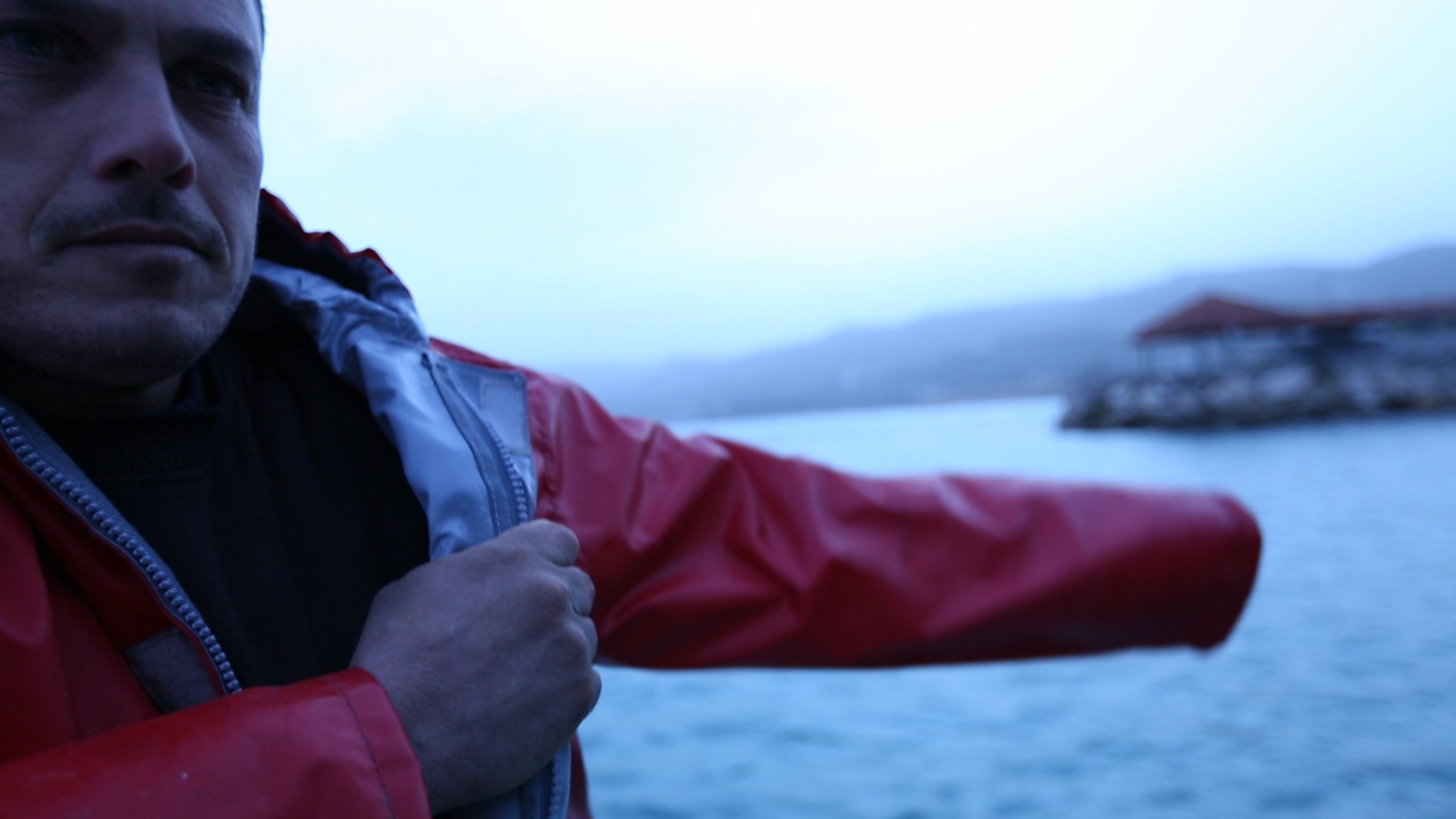
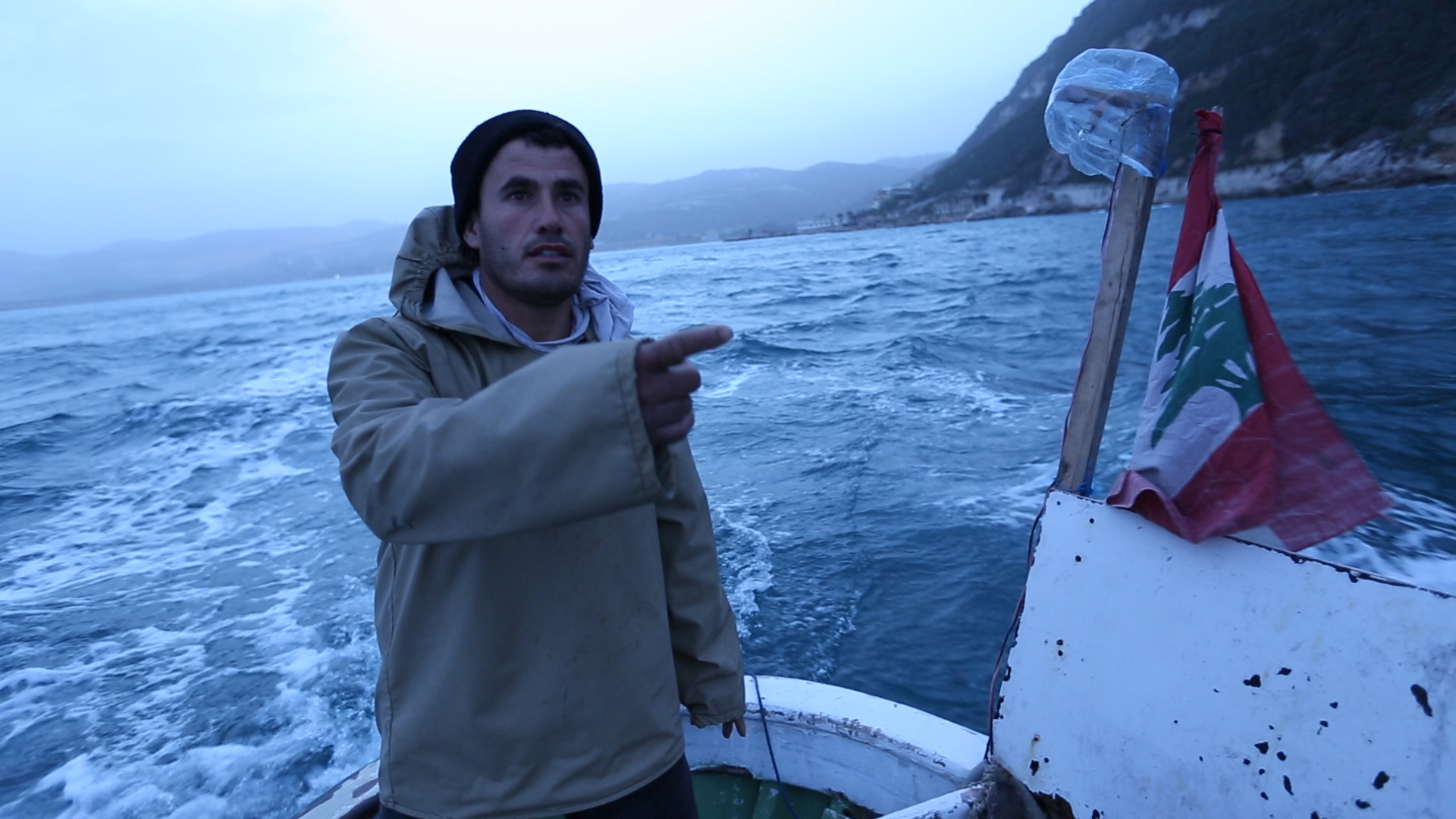
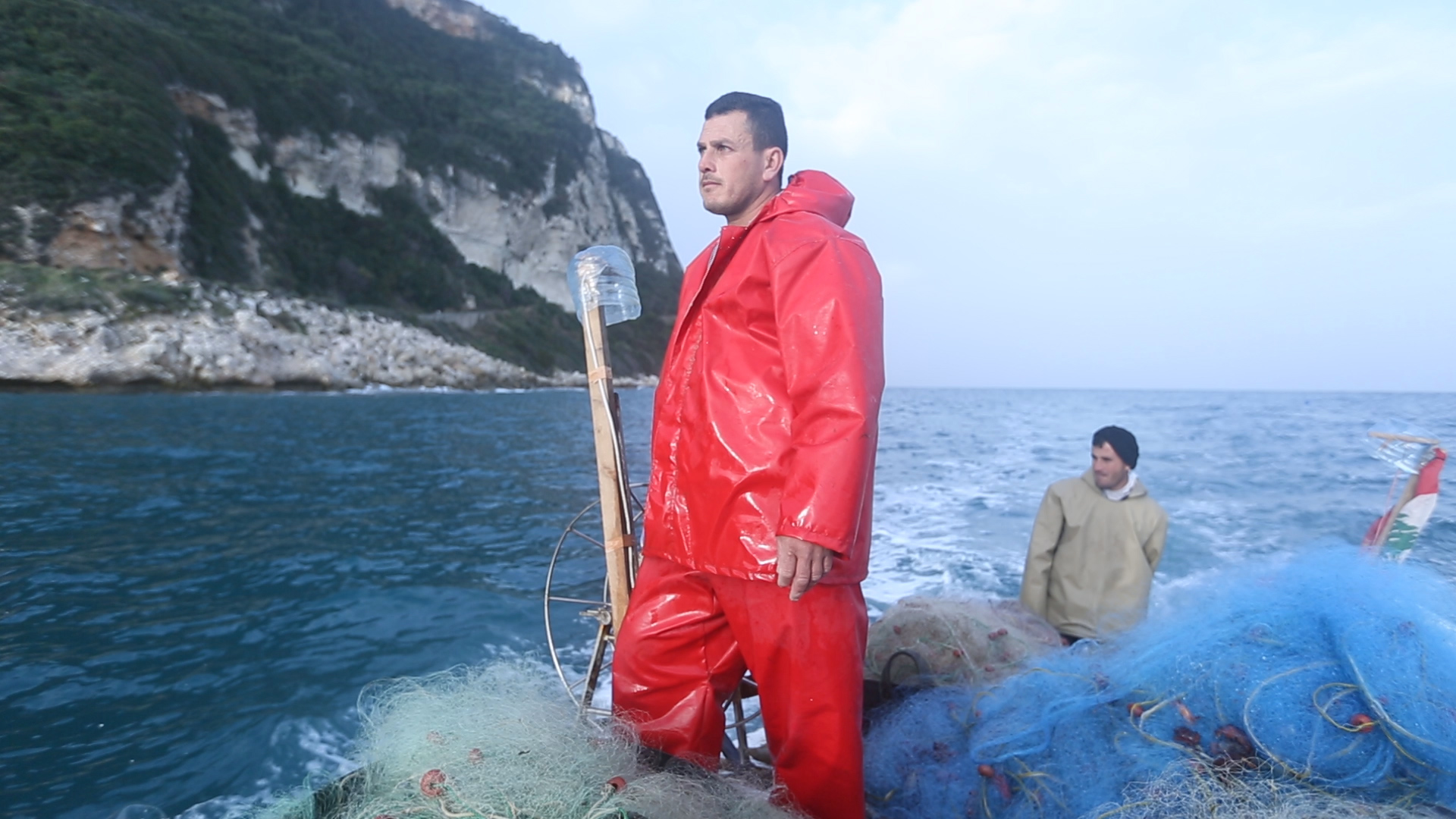
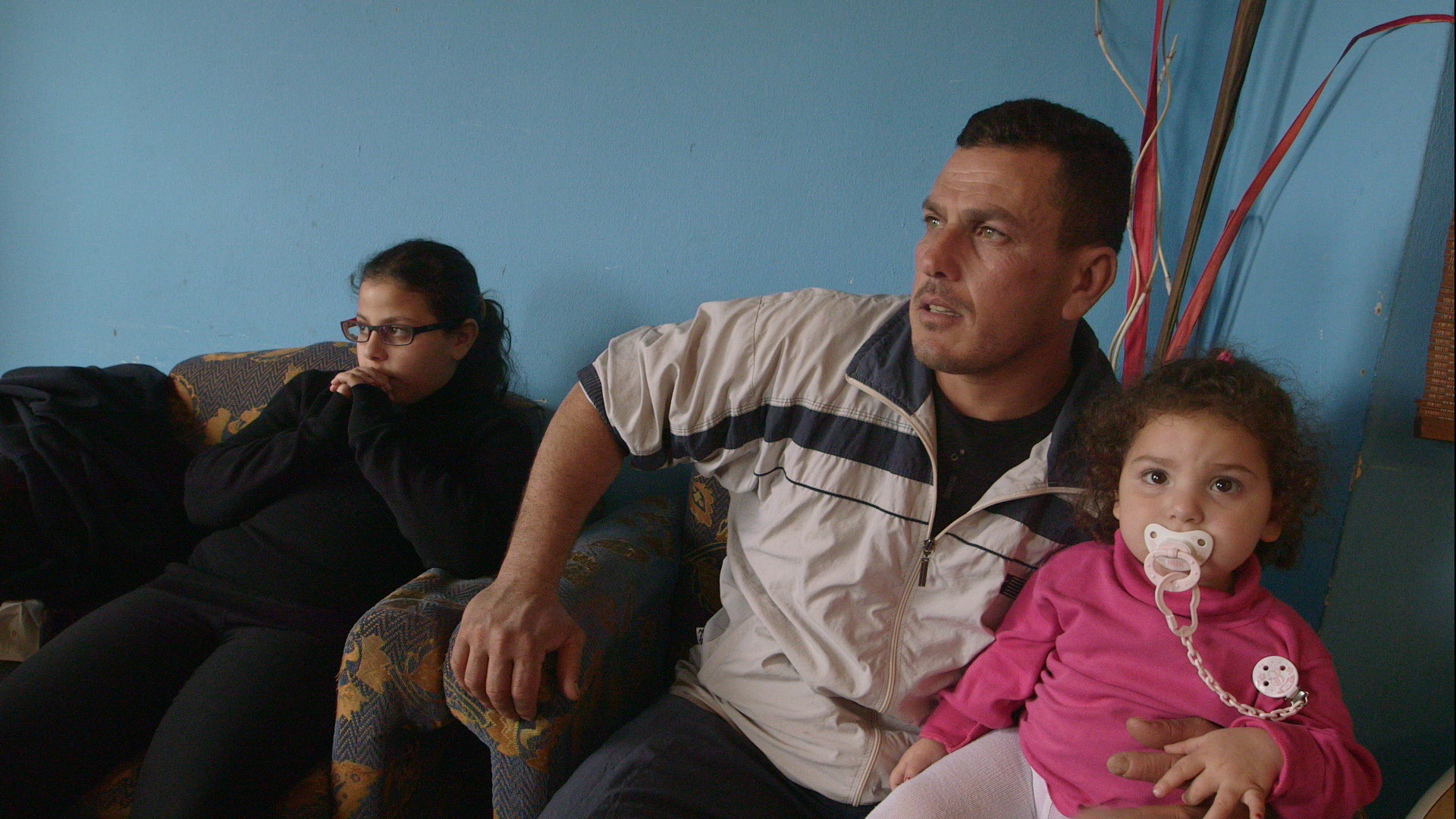
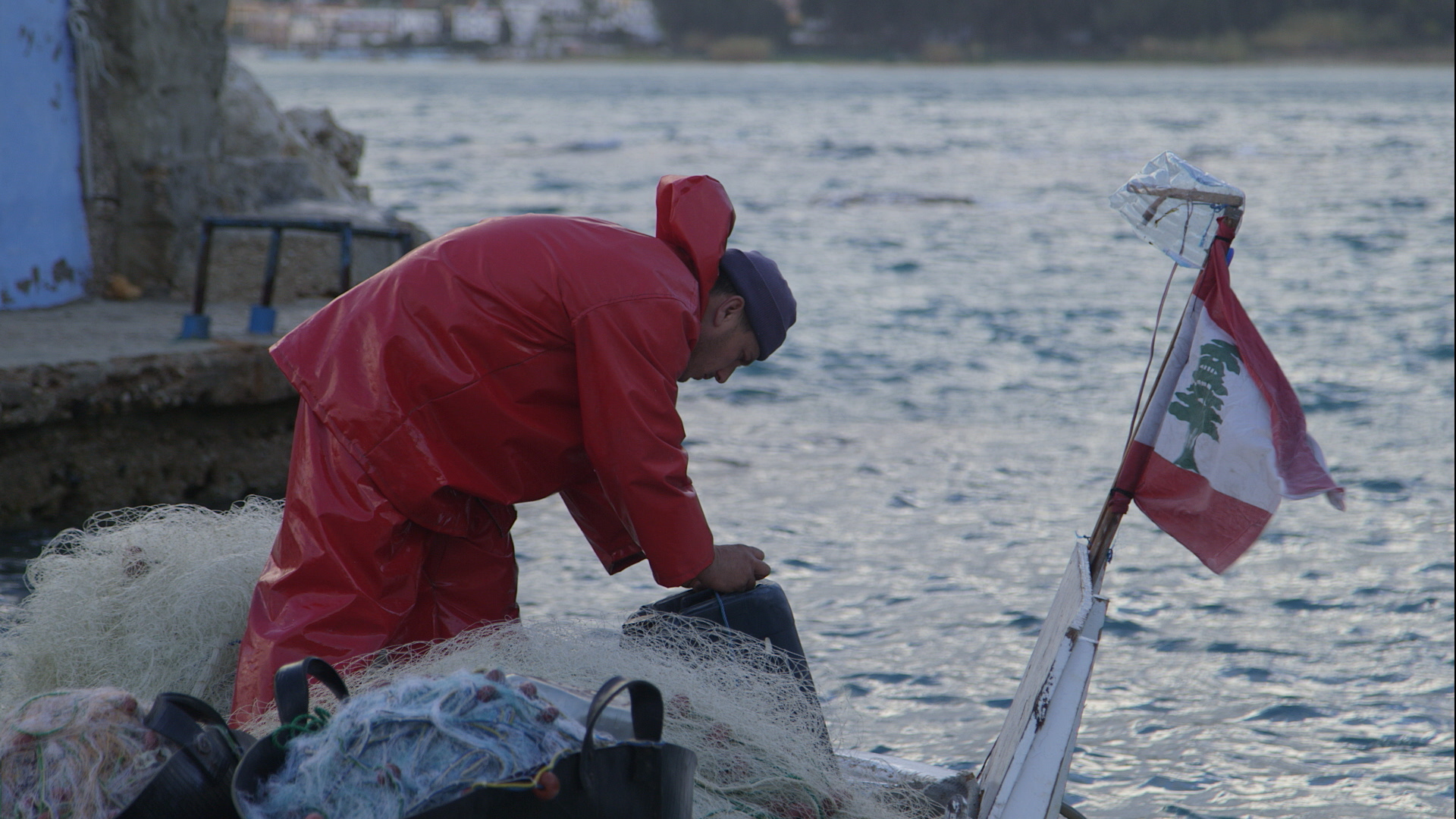
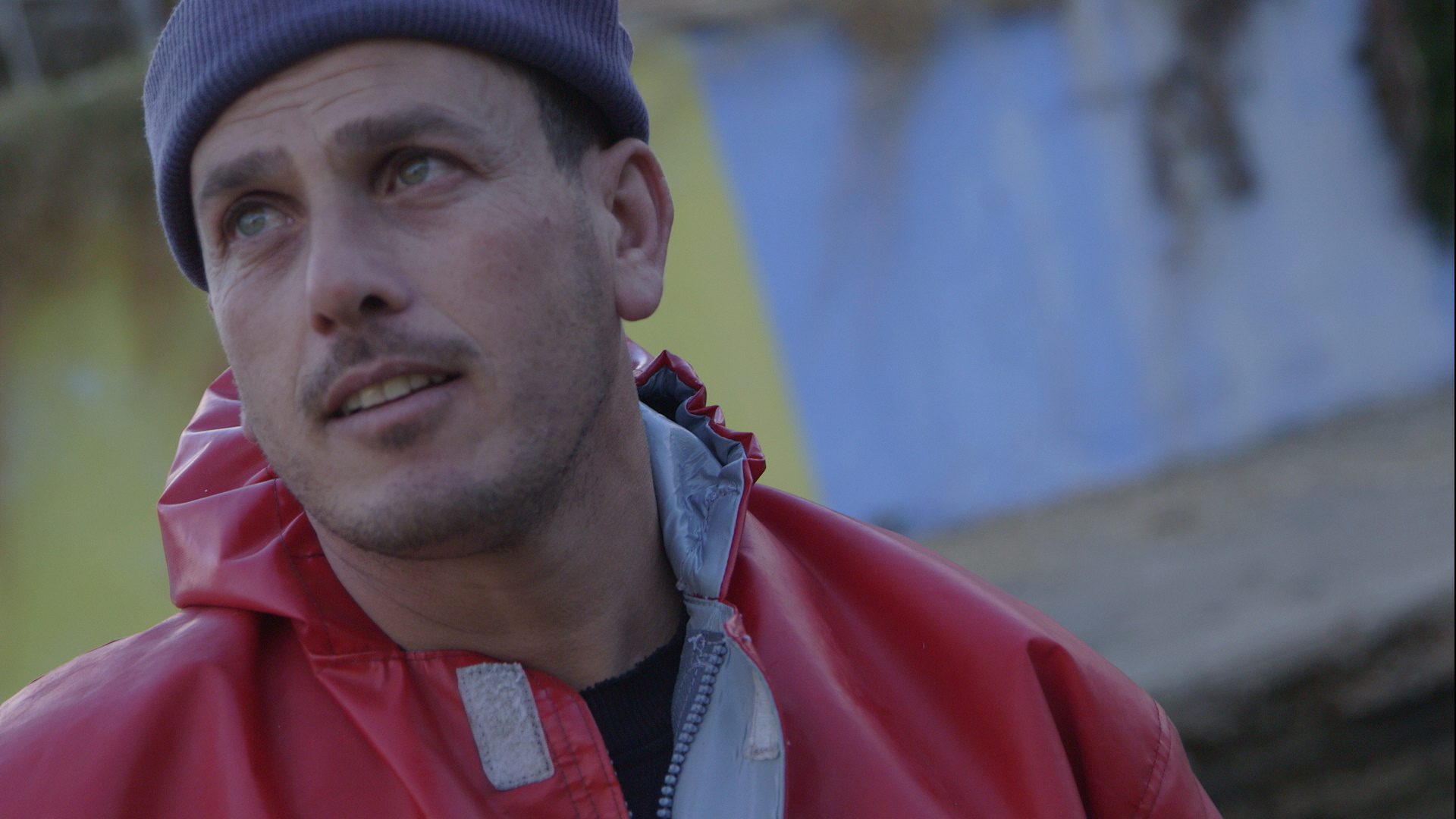
Rabih is a fisherman. He’s been on the water since 3am setting his nets. He bought his used boat and nets with a microfinance loan. Today, he work for himself and not for the man. It’s changed his family’s life, and I’m here to tell that story.

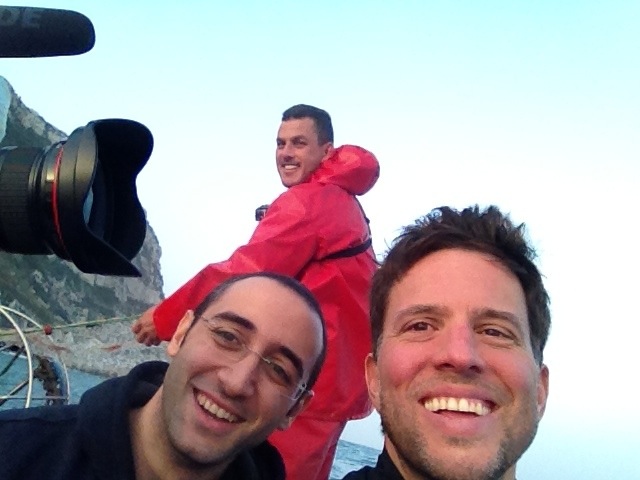
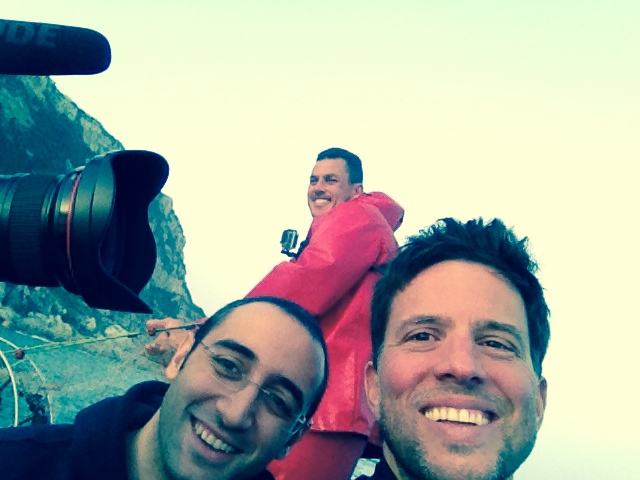
It’s the pre-dawn blue hour as I step on the boat. Here, at the dock, the water is serene, but soon in the open Mediterranean, the waves knock me around. I’m filming with the Canon 5D Mark 3, with the 16-35mm lens on a Manfrotto monopod—small, lightweight, great in low light.

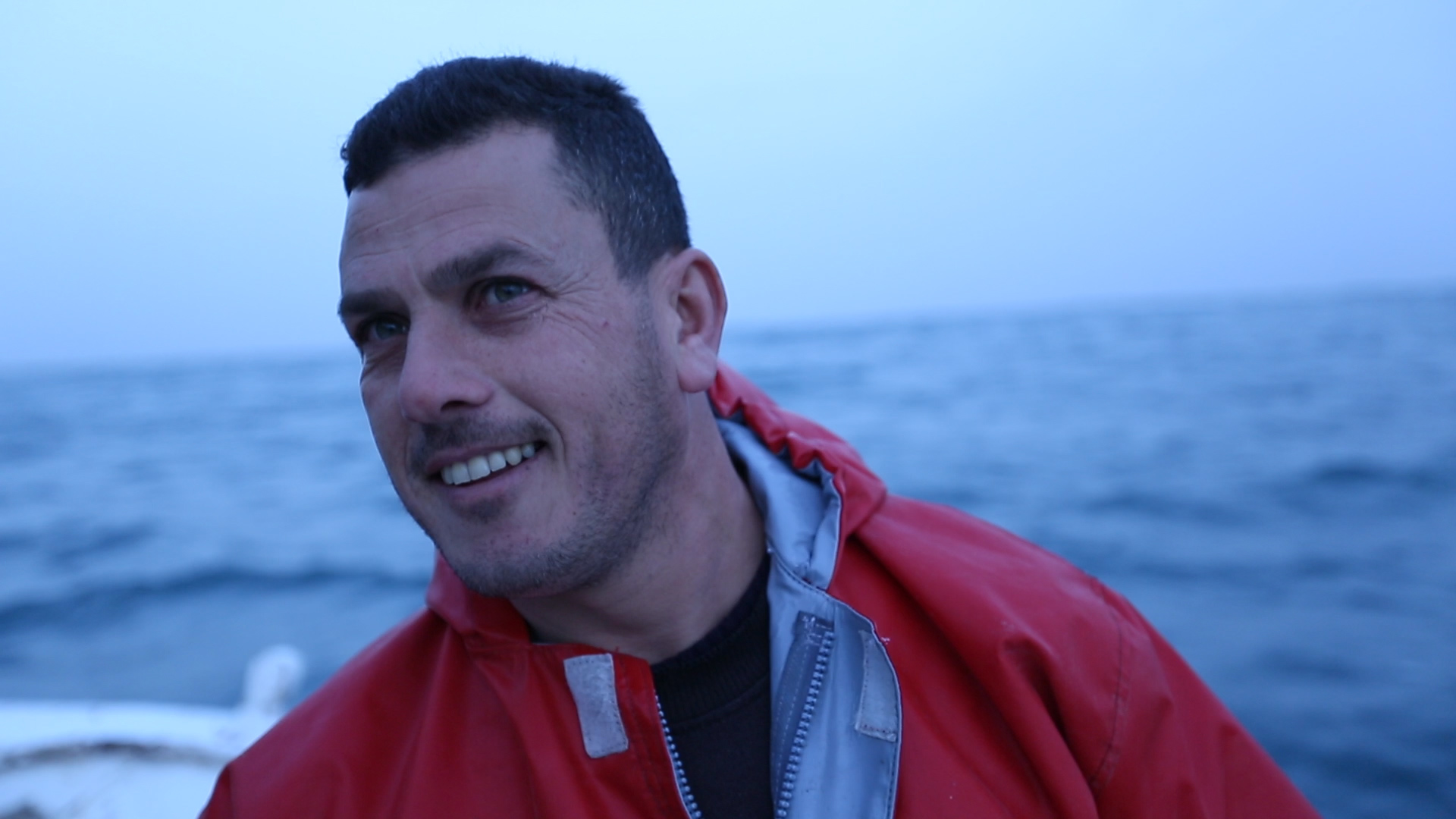
“Rabih can’t stop smiling. After all, it’s his boat, his nets, and he’s making a better living now.”

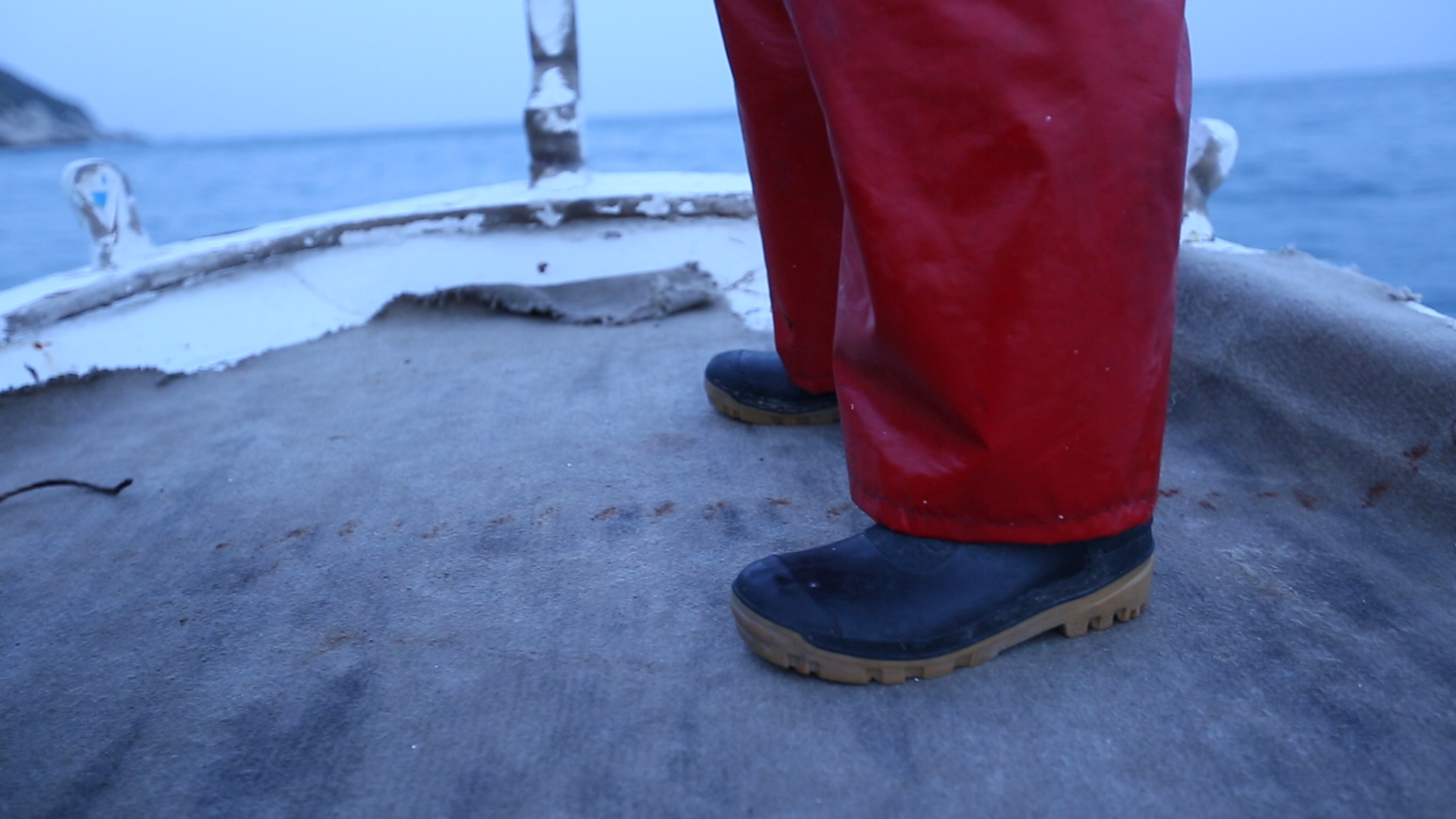
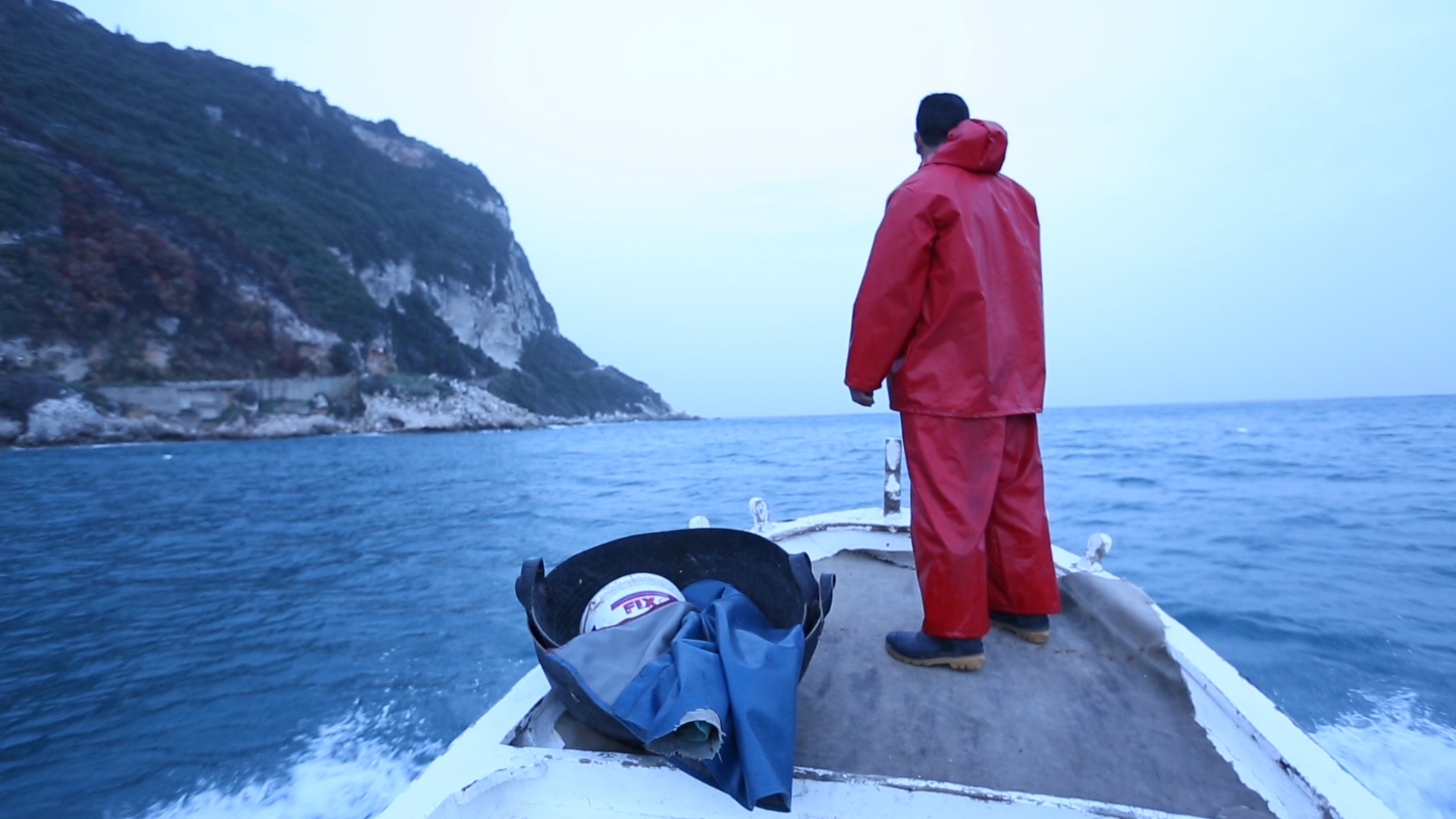
As the sun rises, Rabih stands heroically above the horizon. The work is grueling, as he pulls up the thousands of yards of nets by hand, fish entwined, balled up in baskets on deck.

After two hours at sea, I shoot some b-roll around town, rejoin Rabih at the fish market in Tripoli (no issues), hang out with his family at home, then return to port where he’s prepping to head out to sea again.

I’m exhausted, but Rabih can’t stop smiling. After all, it’s his boat, his nets, and he’s making a better living now.


4. Shawarma & Robert Downey, Jr. go together


My second day of filming I spend on a cattle farm in Bekaa with Samir. He’s bought 10 heads of cattle over several years thanks to three successively larger microfinance loans, and expanded his business considerably.

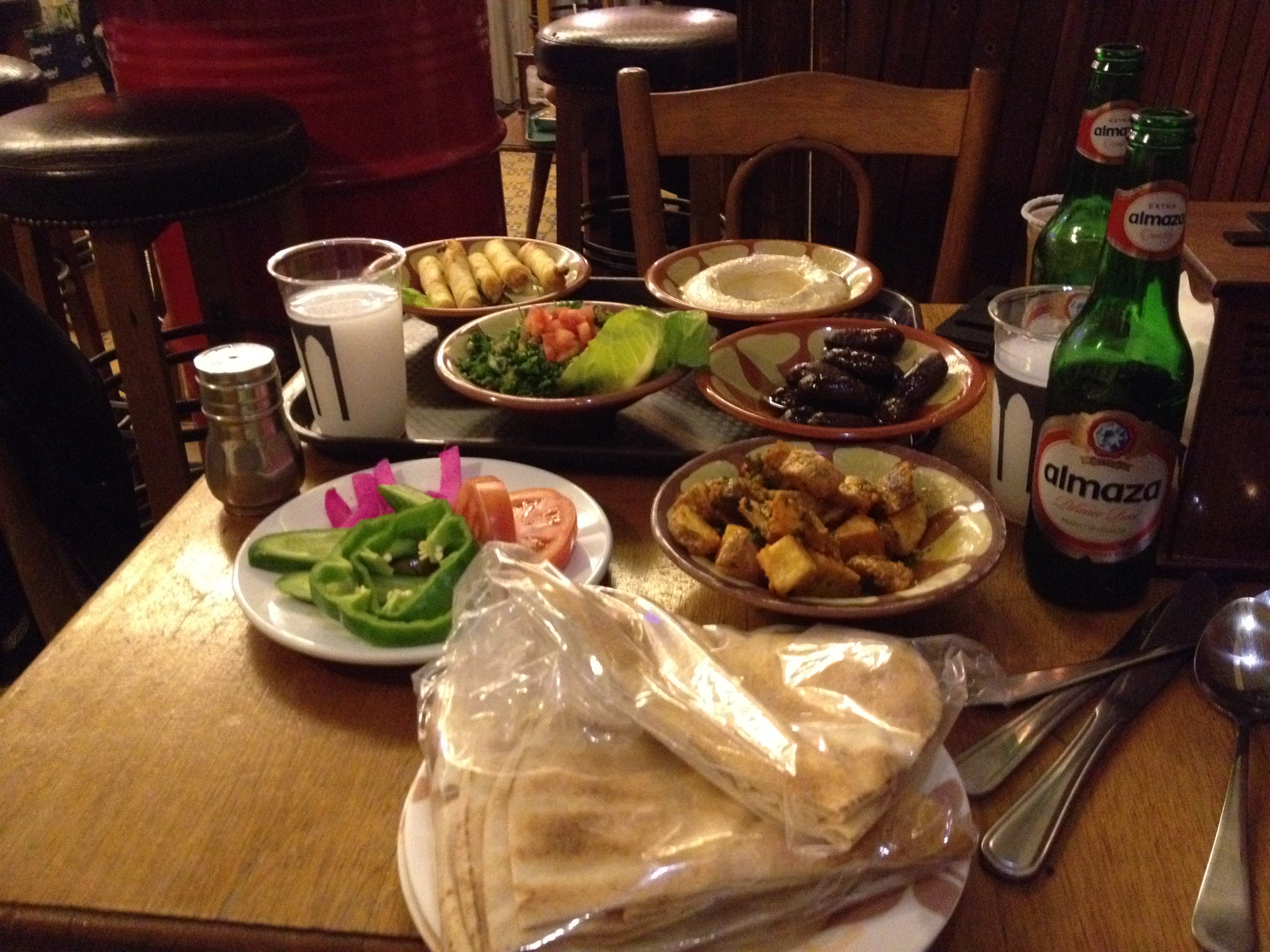
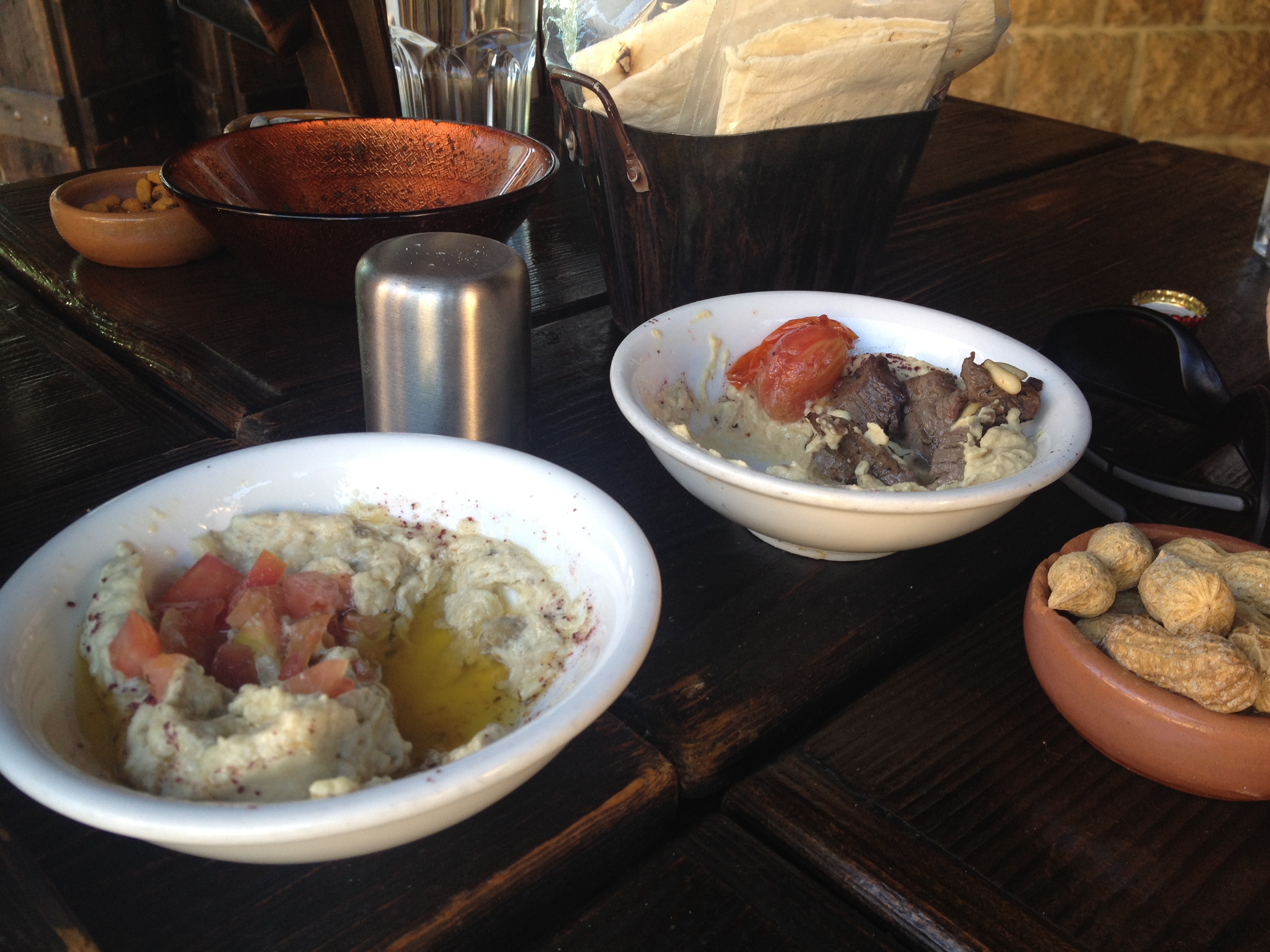
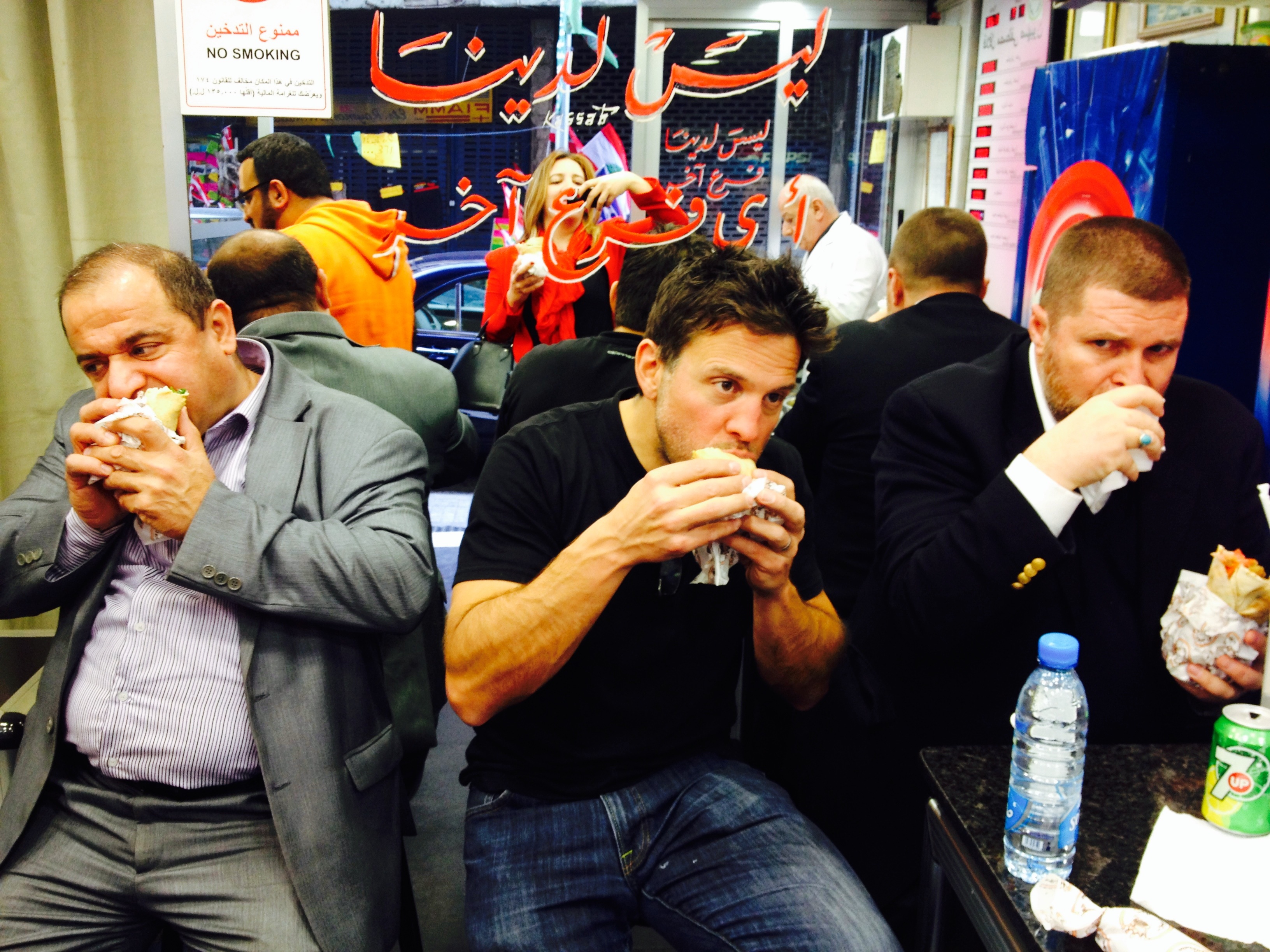
Working around all that cattle dung inspired a terrible hunger, so Khalil recommends one of his favorites: Barbar Shawarma, which is located in Corniche, a seaside promenade in Beirut’s central district.

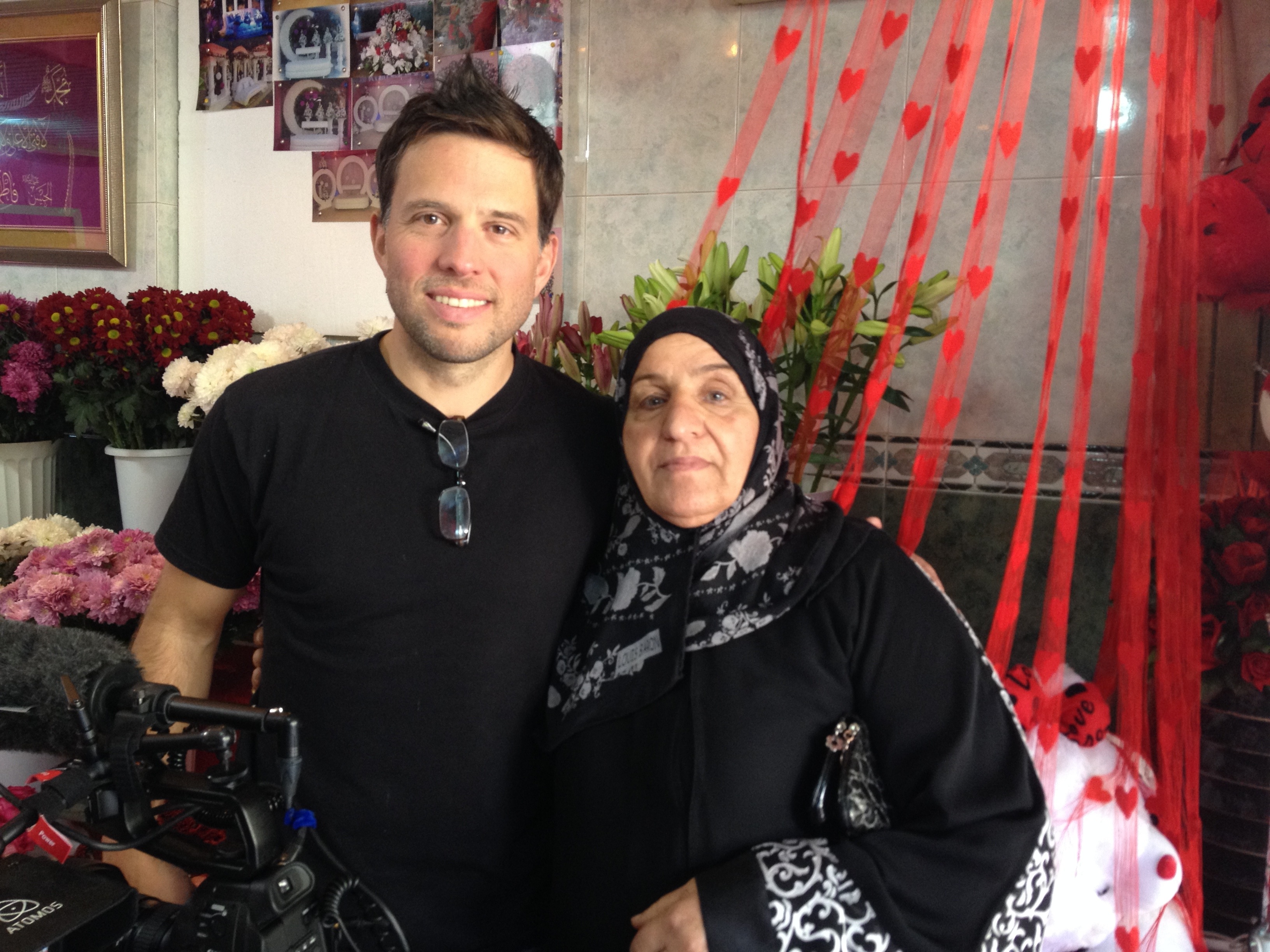
First, Khalil. This guy is really the project’s M&E Coordinator, but this week, he’s my extremely capable Unit Producer and translator. He gets along extremely well with everybody we work with across the country, and we never have a problem.

And as the week unfolds, he’s also acting food critic and cinema aficionado, since he can’t stop reciting the closing scene in Avengers, where Robert Downey, Jr.’s Iron Man crashes to Earth, opens his weary eyes, and says, “You ever tried Shawarma? There’s a shawarma joint about two blocks from here. I don’t know what it is, but I wanna try it.” (Back story on that revised ending on Entertainment Weekly).

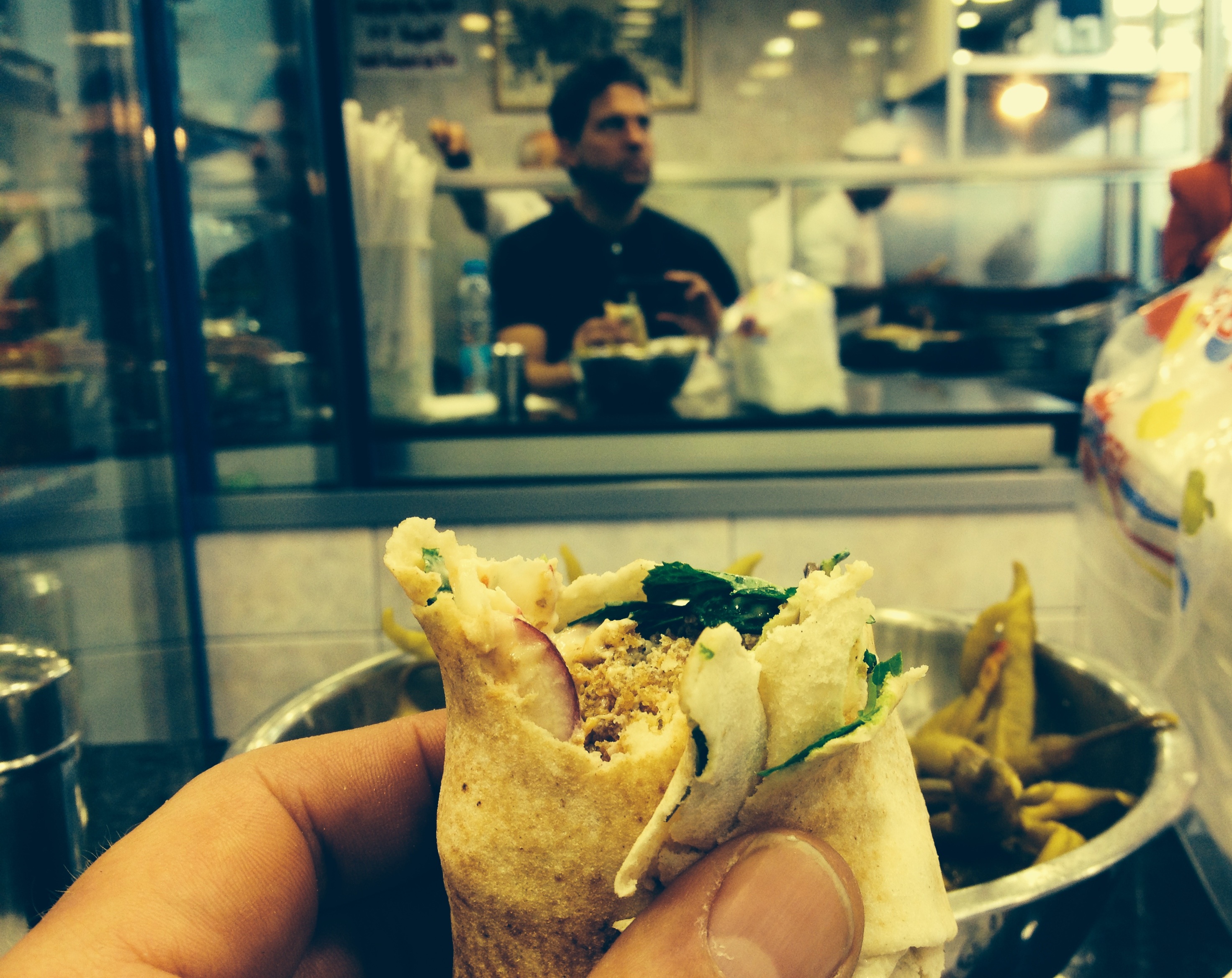
Well, I try Khalil’s favorite shawarma in shawarma’s birthplace, and it’s great!


5. Byblos is irresistibly photogenic


The rest of the film shoot takes me to five of Lebanon’s six Governorates (or provinces). I’m deep in Hezbollah country, where billboards of the Ayatollah Khomeini share real estate with ads for Pepsi and designer watches. And by Friday, I have more than enough quality footage to cut four short films.

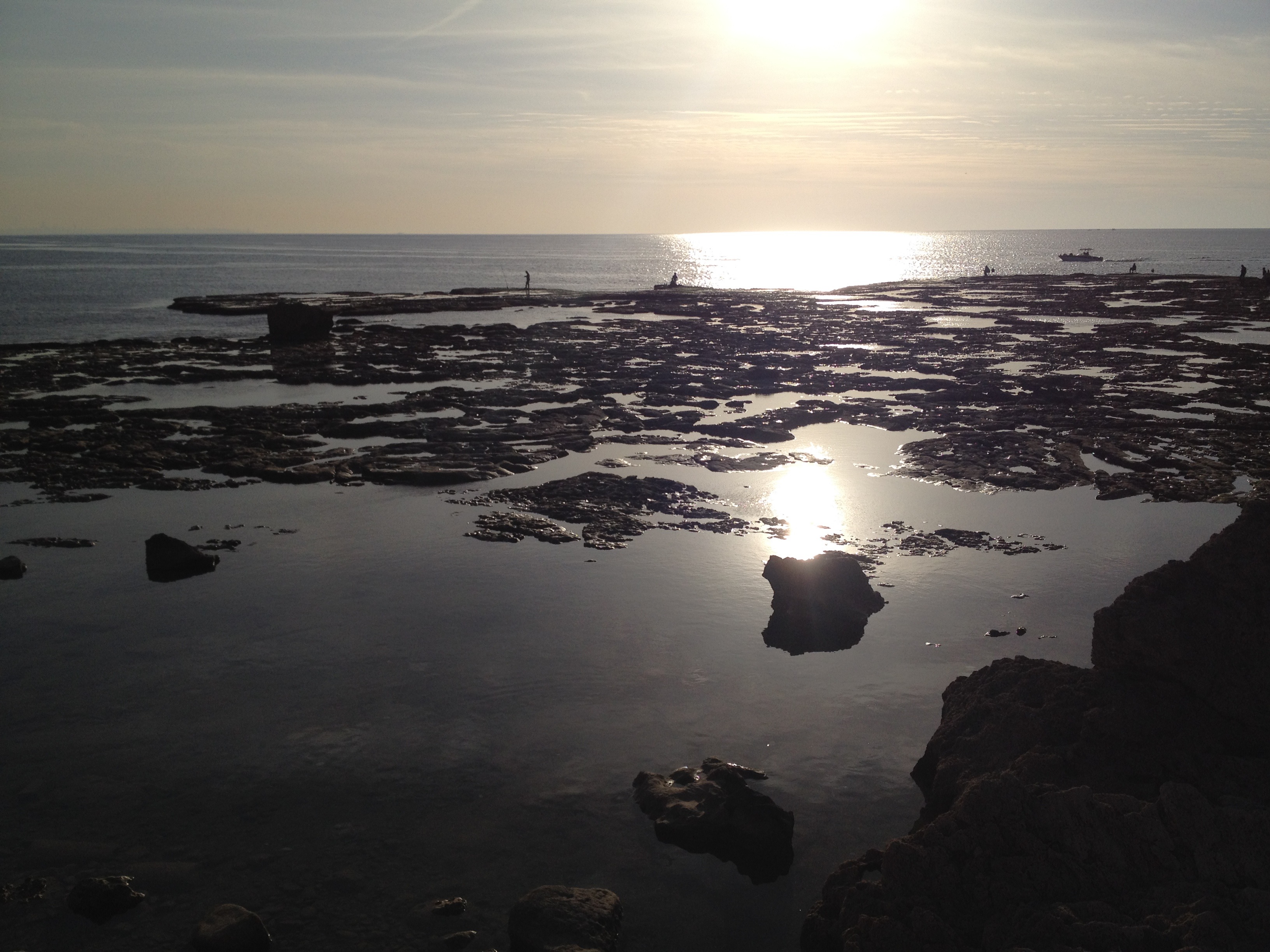
Saturday is a day off. What’s brilliant is that long-time friends Stefano and Margherita live and work in Tyre, about an hour south. They pick me up and we drive up the coast to Byblos. It’s a respite, a quiet tourist town, and irresistibly photogenic. You’d think on my day off, I wouldn’t touch a camera, but the light was beautiful and I took 50+ photos . . . on my iPhone! Oh, and Byblos is a UNESCO world heritage site.
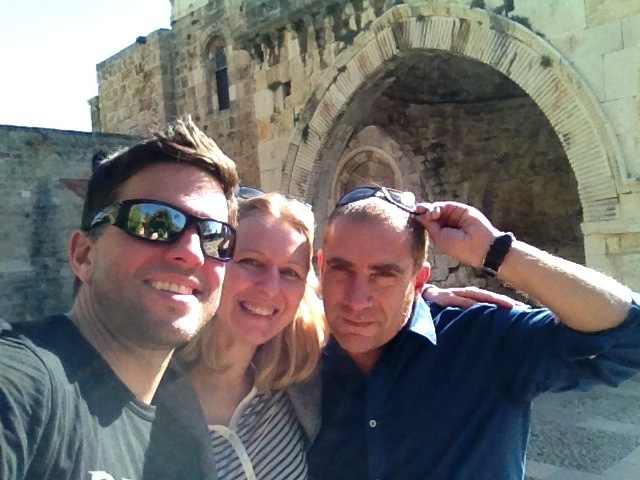
It’s a perfect way to close out a great week, where I feel good about the footage I captured and learned a lot about the culture and people of Lebanon.
Mandela, Cameroon, and me


Warning: unserialize(): Error at offset 0 of 808 bytes in /home/customer/www/stevedorst.com/public_html/blog/wp-content/plugins/nextgen-scrollgallery/nggScrollGallery.php on line 207

Warning: Trying to access array offset on false in /home/customer/www/stevedorst.com/public_html/blog/wp-content/plugins/nextgen-scrollgallery/nggScrollGallery.php on line 208

Warning: unserialize(): Error at offset 0 of 640 bytes in /home/customer/www/stevedorst.com/public_html/blog/wp-content/plugins/nextgen-scrollgallery/nggScrollGallery.php on line 207

Warning: Trying to access array offset on false in /home/customer/www/stevedorst.com/public_html/blog/wp-content/plugins/nextgen-scrollgallery/nggScrollGallery.php on line 208

Warning: Trying to access array offset on null in /home/customer/www/stevedorst.com/public_html/blog/wp-content/plugins/nextgen-scrollgallery/nggScrollGallery.php on line 259

sd-prince copyWhen I arrived in Yaoundé, Cameroon on September 15, 1994 for a scholarship year, His Excellency Nelson Rolihlahla Mandela had been President for four months. As South Africa’s first black President, Mandela finally possessed a political power on a national stage to match his outsized moral authority.

I was grappling with how to fit in a completely different culture. My French was pretty good, but there was a lot of Cameroonian slang. I’d jump in a taxi, tell the taximan “Poste Centrale,” pay my 100 CFA (18 cents), and then amble through downtown Yaoundé. I was the only white person for thousands and thousands and thousands of people. Everywhere I walked, children stared. Adults took note.

It was a shock.

Meanwhile, everybody wanted to talk about Mandela. Cameroonians had followed his story as much or more than we Americans. After 27 years in prison, would he choose vengeance and spite? Or would he work for hope, reconciliation, and nation-building?

NextGen ScrollGallery thumbnailNextGen ScrollGallery thumbnailNextGen ScrollGallery thumbnailNextGen ScrollGallery thumbnailNextGen ScrollGallery thumbnailNextGen ScrollGallery thumbnailNextGen ScrollGallery thumbnail
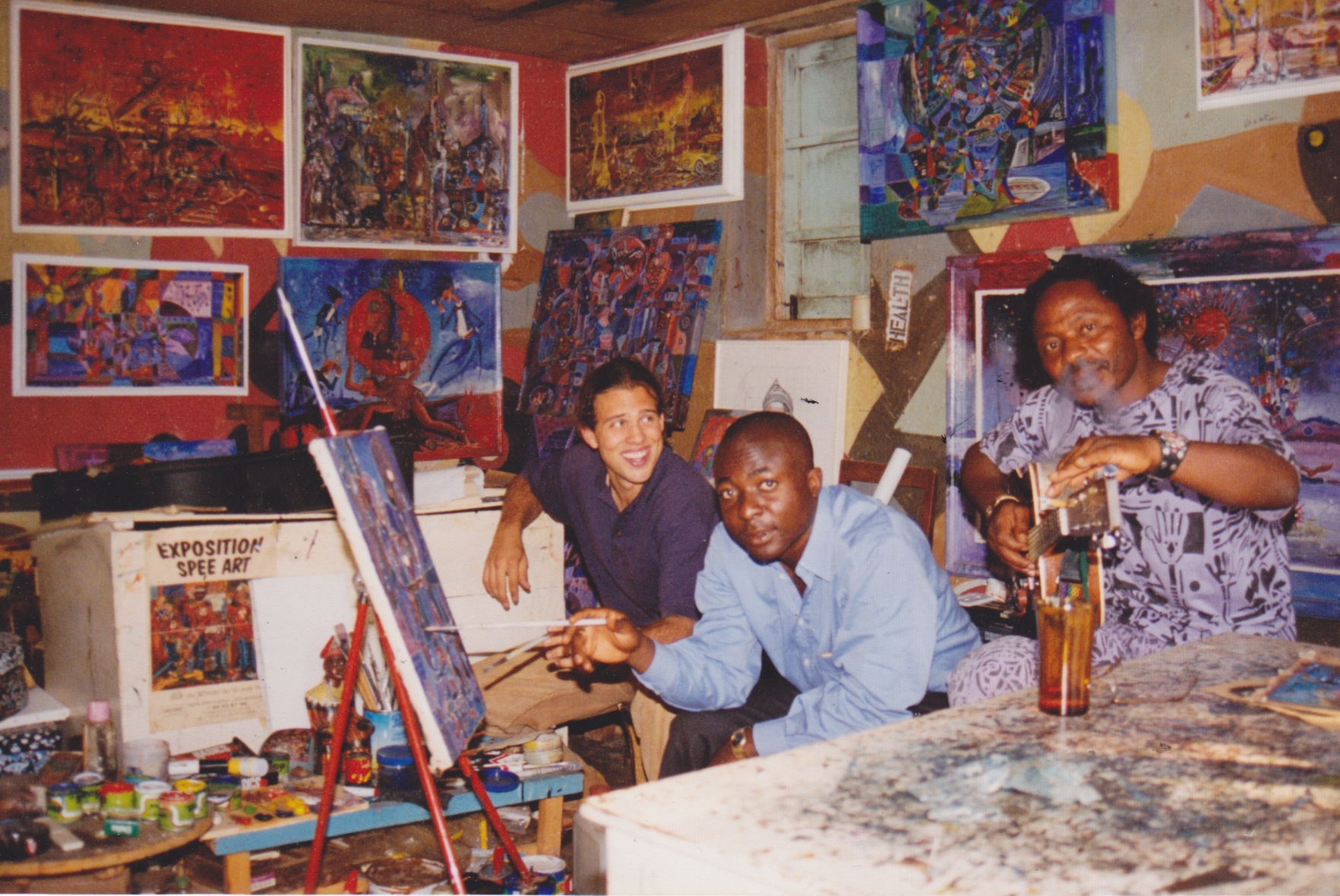
Best friend Jean Paul with the incomparable (and let's face it, nutty) artist "Spee"
jp-spee
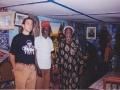
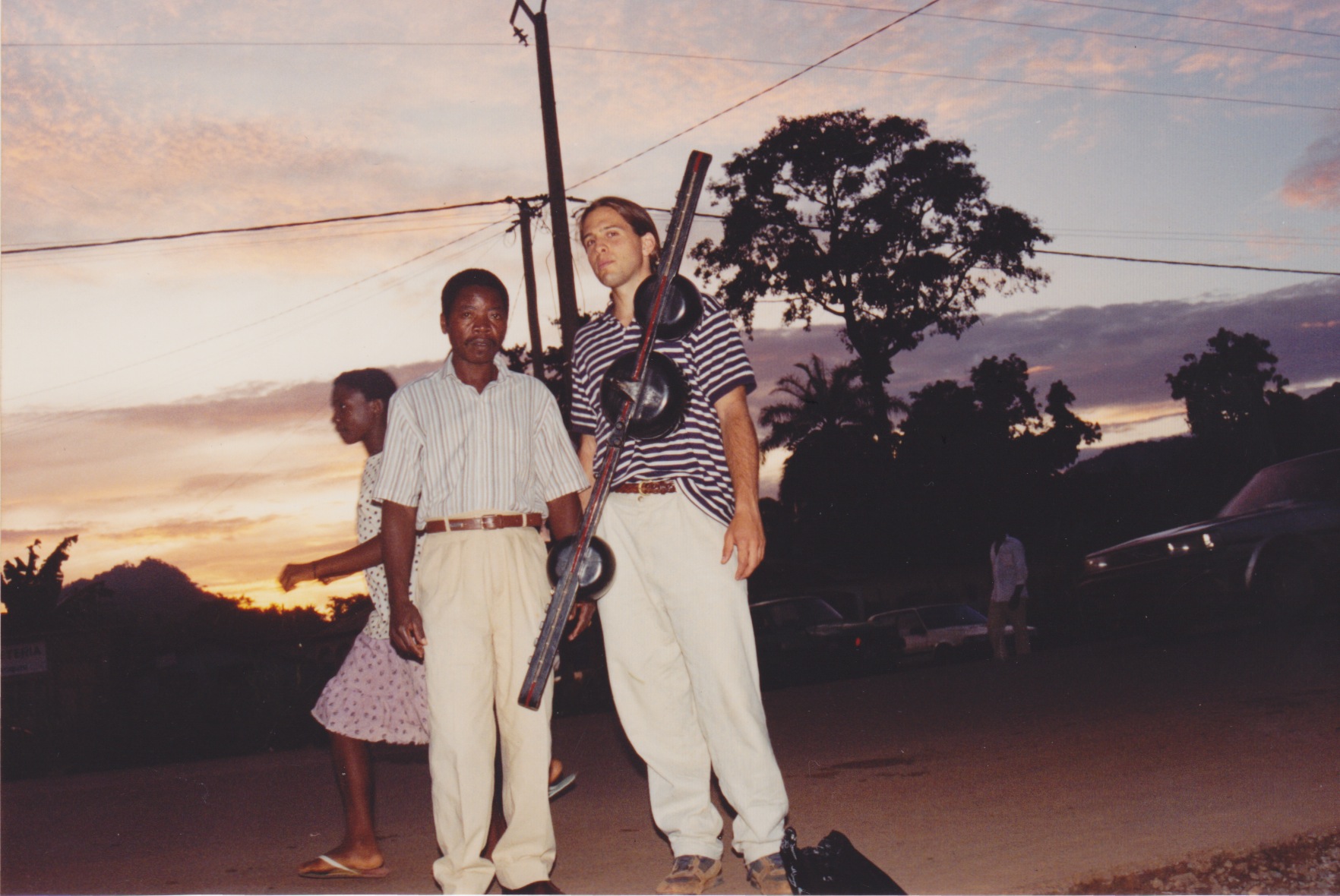
Noah Ondongo Generaud and his student holding the mvet, a traditional guitar. In Emana, a neighborhood in Yaoundé.
steve-noah
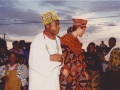
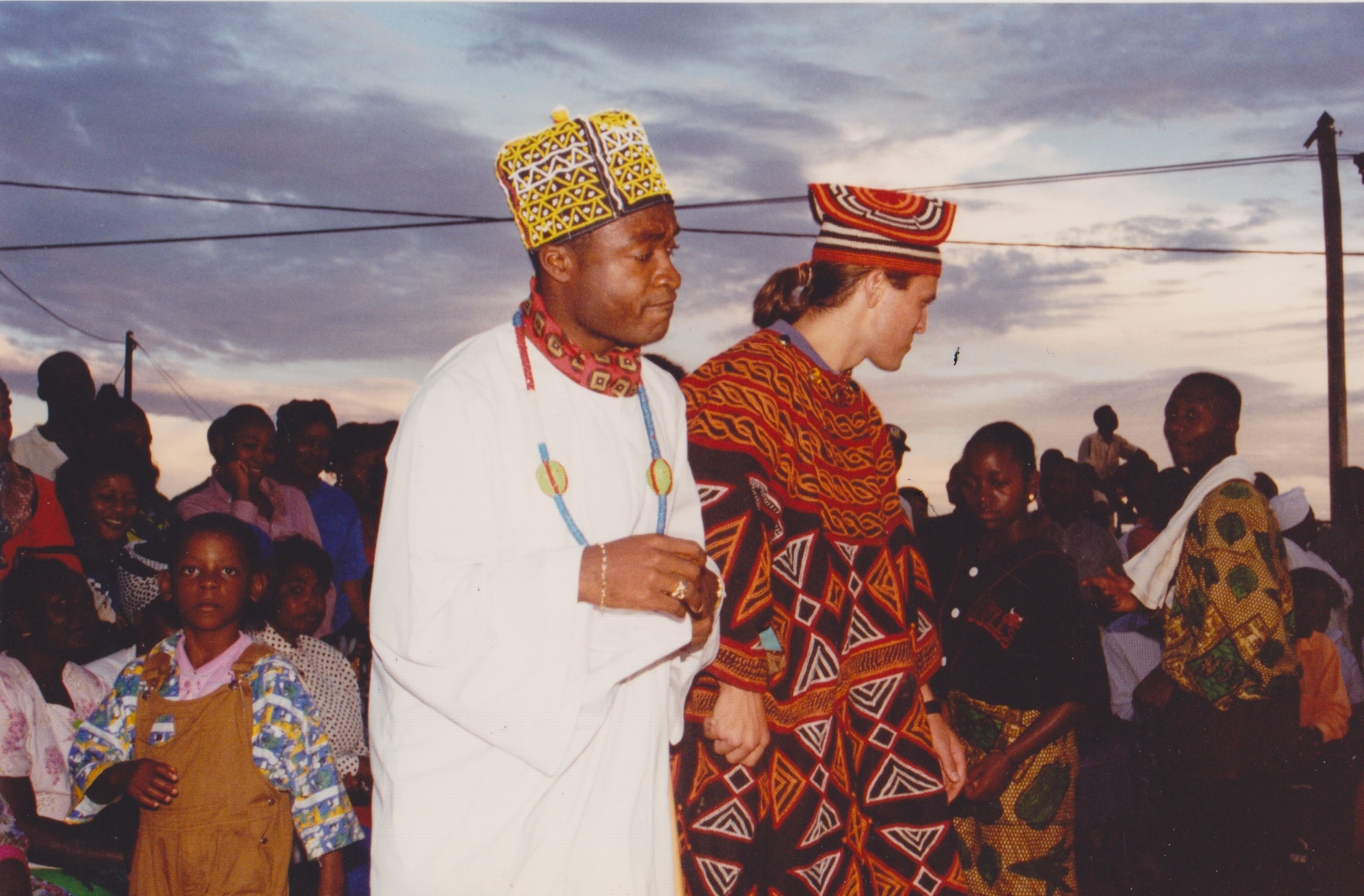
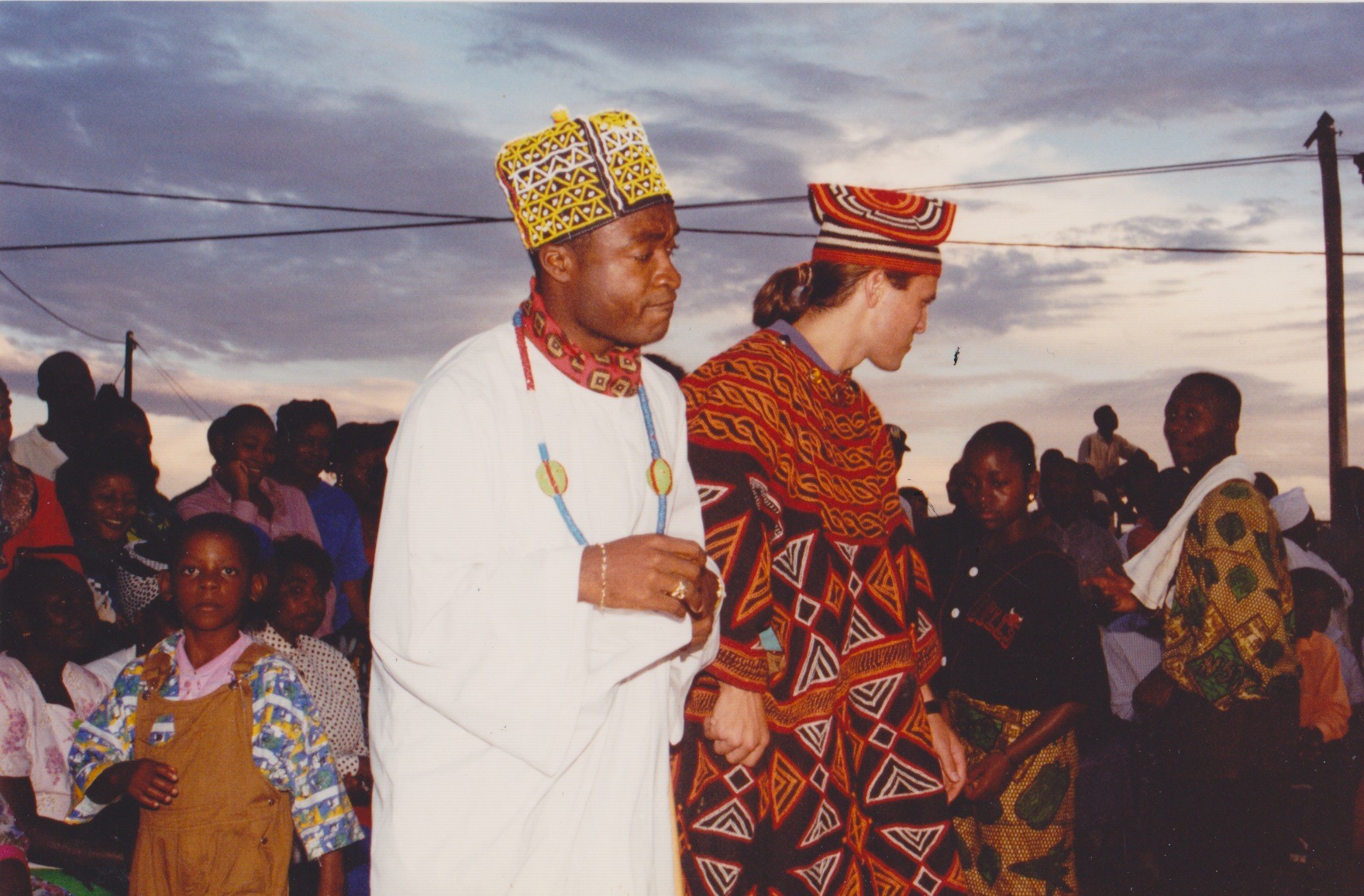
Prince Tchakounté Detenke VII invited me several deuils and celebrations. This lasted long into the night.
sd-prince-copy
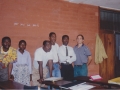
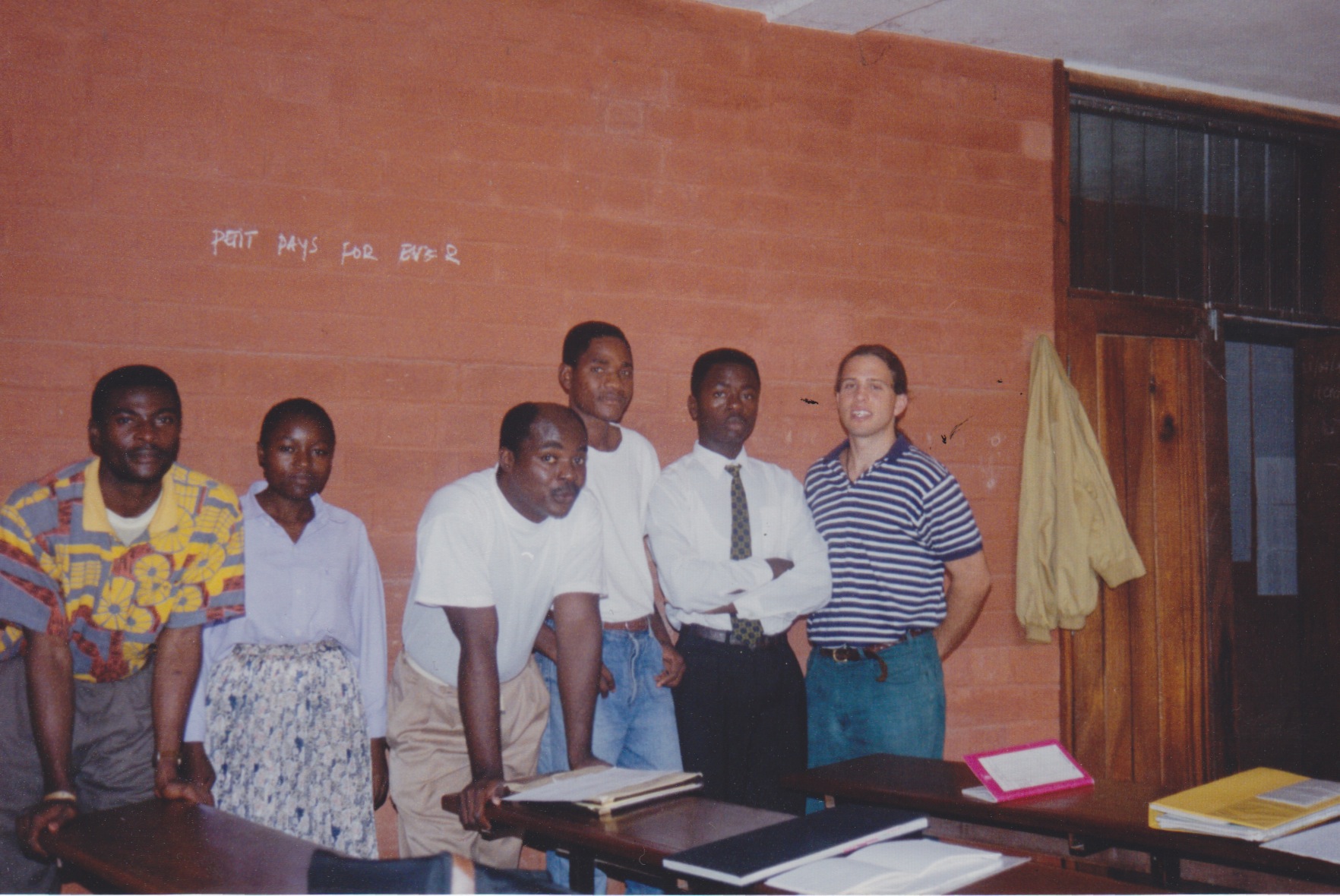
Professor ABEGA Sevérin Cécile, with his students (left to right): Oumarou GBETNKOM, Josephine NSIA, George AKWAH NEBA, Rebecca MVOTO NANGA.
abega
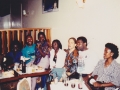
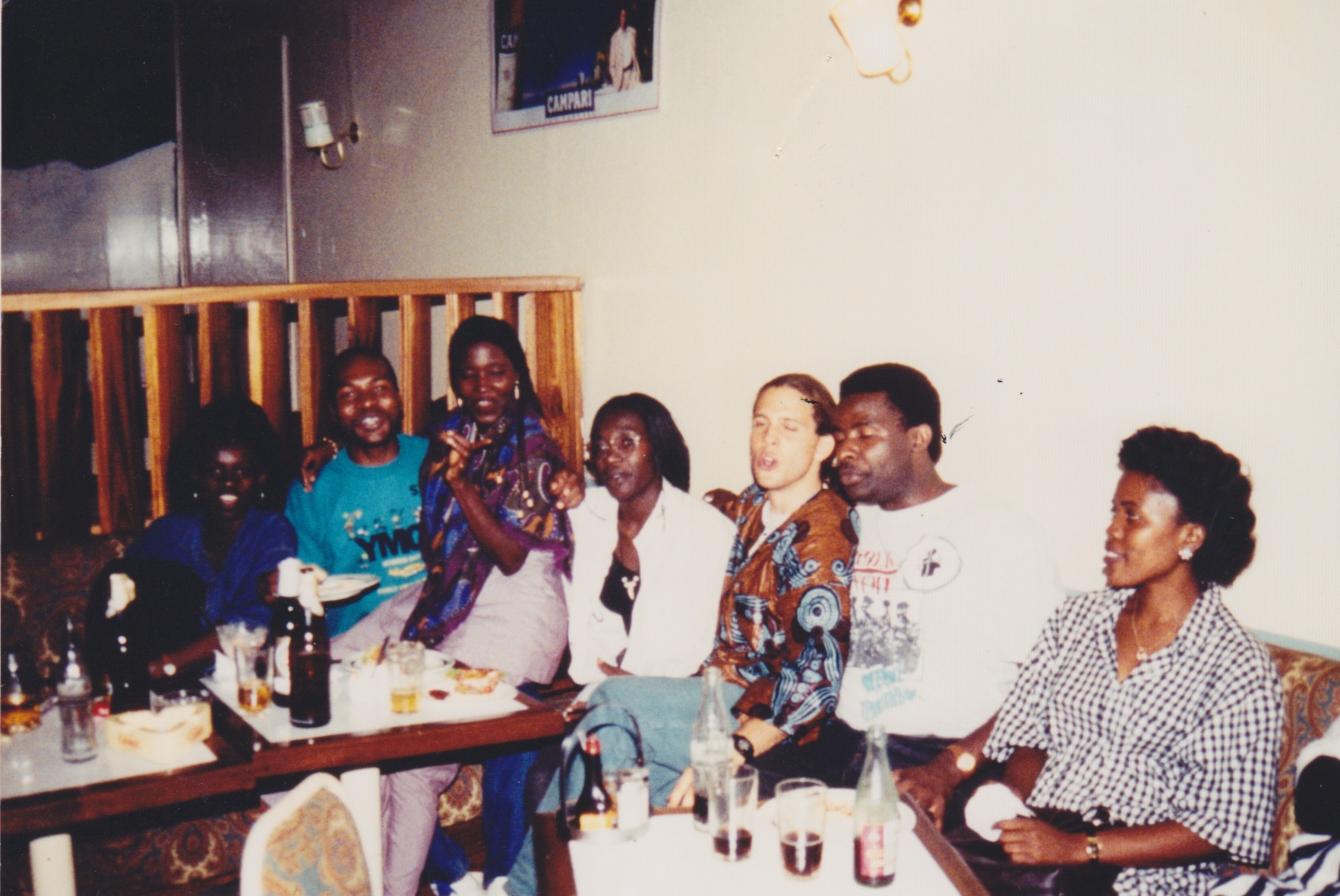
Gaston's birthday at a joint on Montée Anne Rouge. Louise, Noah Catherin.
gaston-bday
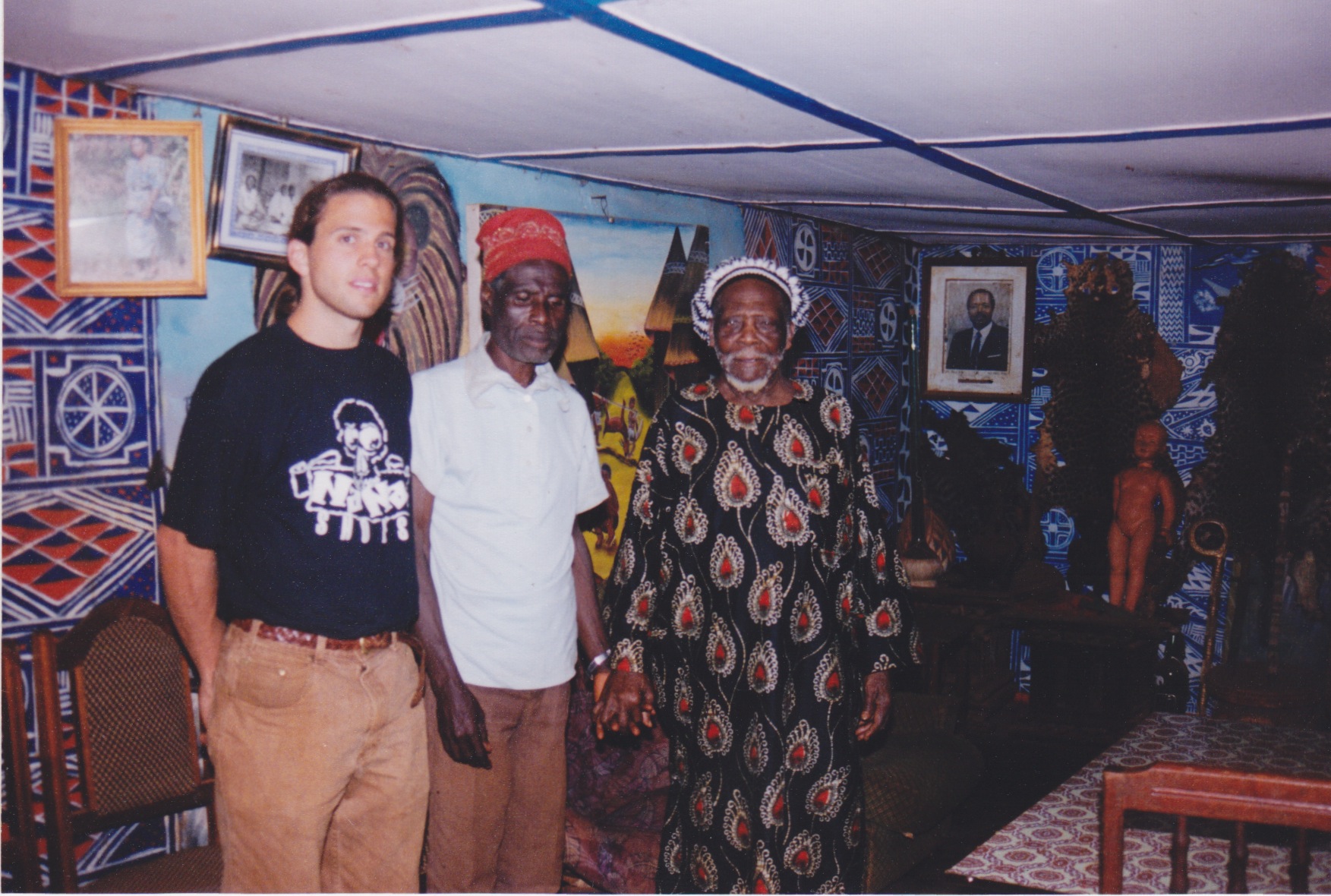
The traditional cheferies of in the West: Avec Sa Majesté Tankoua III, Chef Supérieur Bandouba (Bassamba) et Sa Majesté Fomechekeu, Roi des Bantoum (President Paul Biya in photo in background, still in power)
steve-fomechenkeu
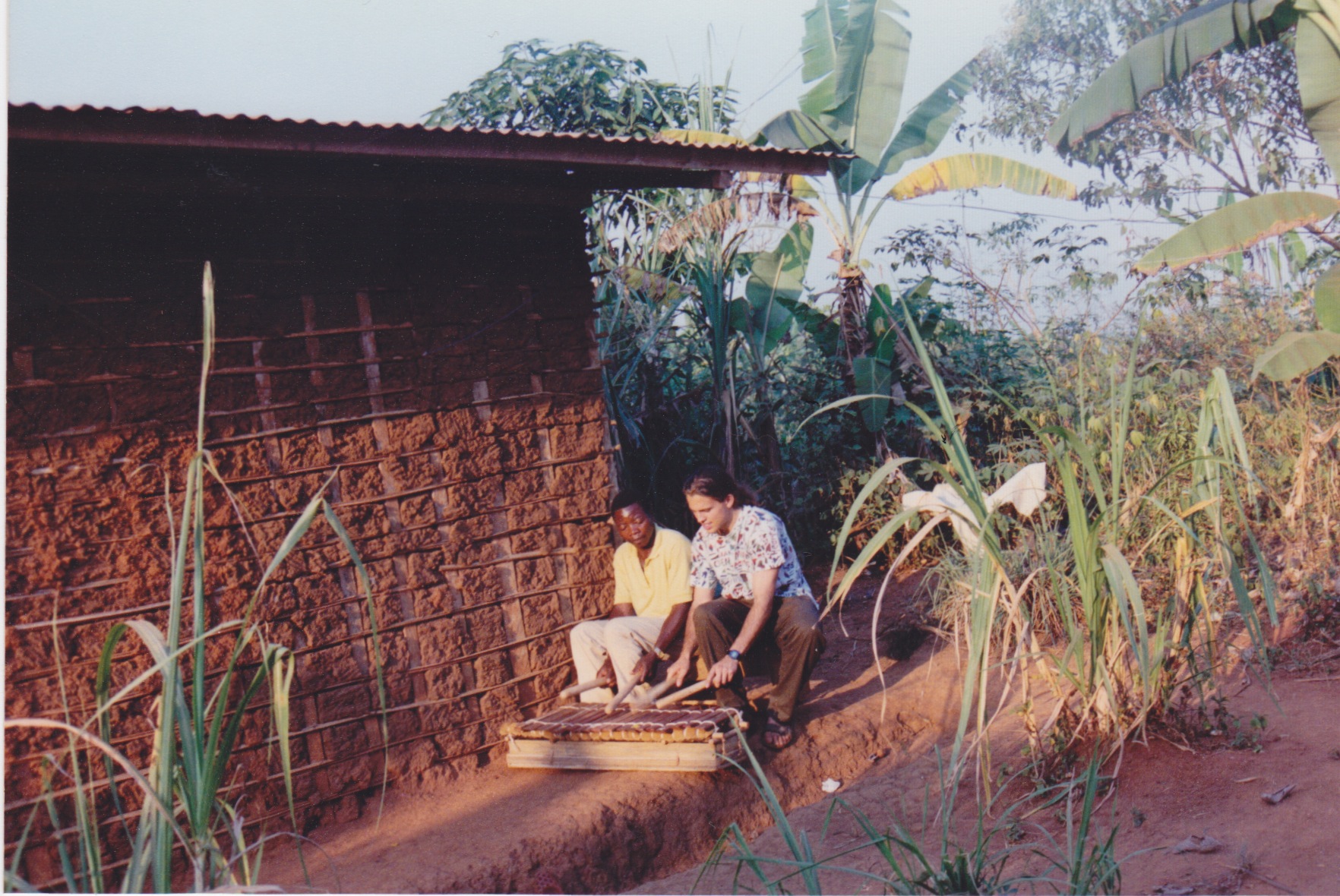
Another visit to my mentor, Noah. Learning the balafon, which I still have to this day.
steve-noah-balafon

After a month of trying to find my feet, I felt really at home in Cameroon. I started dreaming in French. I had new friends at the University, and was taking lessons on a traditional instrument, the “mvet,” from a local master, Noah Ondongo Generaud. I was forging what would become a life-long friendship with my housemate, Jean Paul Fosso.

As minorities go, I was privileged. My US passport gave me a freedom few people around me had. My bank account distinguished me from the masses. Even the color of my skin got me invitations to parties, and seats up front, near Ambassadors and the elite.

But there was a flip side. It’s strange not to be in the majority—to be a token, different, stared at for something so superficial as the color of your skin. The psycho-social effects of being a minority left a residue.

Today when I think of Mandela, I think of my year in Cameroon. The two are linked for me. I think of how Mandela influenced a continent even as he set an example for the world.

I think of life in Cameroon, my friends, and their lives there. Their enduring challenges are like those people face in the townships of South Africa.

I think of injustice and how people confront it: how people battle for progress on issues they care deeply about . . . climate change, gun safety, and gender equality.

I think my friend Vincent Pan, who today is in his 11th day of fasting for Immigration Reform. I think of Americans like him, who work in the spirit of Mandela. I think of how much I admire them.

I think of my democracy, which is slowly failing. Can Mandela’s example inspire Congress to pass laws that will give as many people as possible a leg up?

I think of my work as a filmmaker and how I might contribute better. I set out as a documentary filmmaker not only to try and entertain people, but also to change the world for the better. Looking back, Mandela took office 20 years ago. Looking forward, I’ll be 60 years old in 20 years . . . what can I do in that timeframe to make a difference?

Most of all, I think of Mandela himself—and the echoes of MLK and Gandhi. Had he chosen vengeance, we all would have understood. But he redefined justice. He elevated a people, and inspired the world. And me.

Is [Angola] a Real Place? Do You Care?

angolaTwo years ago this month, I got a call from Neil Breslin, an old friend who’s been based in Africa for the past 10 years. “Hey Steve, can you do me a favor?”

Me: “Sure.” Neil: I need you to make me a short video that shows what typical, educated Americans know about Angola. I’m going to show it to some of my clients. Give me a good range of people.”

Sure, why not! So the next morning, I drove to the White House.

At the Starbucks at 17th & Pennsylvania, I bought $75 worth of $5 gift cards (I learned this long ago from a producer for a PR firm who hired me to make some man-on-the-street videos). Then I stood outside the Starbucks with my camera and microphone and accosted coffee-seekers: “I’ll give you a $5 Starbucks gift card if you give me 1 minute of your time . . . to answer a few questions about Africa for a news bit for YouTube.”

Lots of people ignored me like the plague. In fact, the first 10 tries, I couldn’t even finish my sentence before the person raced away.

But free coffee is a powerful motivator! And the interviews began. Dare I say—some people even looked like they were having fun!

What does it mean if the 5th richest country in Africa is invisible to educated Americans a block from the White House?

Within 30 minutes, I did 15 interviews and gave away all the gift cards. That afternoon, I included everybody in the final edit (plus a few friends, who gave moral support). Nobody got left on the editing room floor.

The results were illuminating! Nobody knew Angola’s capital. Nobody could name any person alive or dead, from Angola. Nobody knew Angolans speak Portuguese. Only a few located it in the “south” or “southwest.”

The woman of Nigerian descent (0:56) knew more than most, but still had precious little knowledge. One woman was so at a loss, she treated the whole thing as a joke (1:12). The guy at the end summed it up well (4:12): “Is Angola a real place? I don’t think it’s in Africa.”

Is Angola a real country? Do people even care? What does it mean if the 5th richest country in Africa is invisible to educated Americans a block from the White House?

No offense to the kind people of Ouagadougou or Bujumbura, but it’s not as if Angola is some tiny, landlocked country like Burkina Faso or Burundi. There’s a few reasons it might be considered in our national interest to bone up on our Angola facts: It’s America’s 3rd most important trading partner in Africa. It’s the 15th biggest oil exporter in the world after all.

When Angolans saw the video, it seemed to strike a chord. As you can imagine, the YouTube comments lit up. So Neil hit the streets of Luanda (the capital) to make a reply video: to see if typical Angolans knew much about America:

Revealing, isn’t it! Even Angolan teenagers seem to have better cross-cultural knowledge than working professionals in the shadow of the White House.

Sure, there are explanations why. A dominant power exports its culture to the world—a logical extension of Joseph Nye’s “Soft Power” theory.

Now, soft power is a big assist for U.S. national interests and public diplomacy, but what if they learn about us, but we don’t ever learn about them? Does it really matter? So what if our Trivial Pursuit games last all night because we can’t get that last blue pie piece?

Here’s one way it matters: Next month, there’s a big meeting in Moscow to determine how much money the 82 poorest countries in the world (40 of which are in Africa) can access for grants and interest-free loans. These countries are home to 2.8 billion people. An estimated 1.8 billion of those live on less than $2 per day. These poorest countries use this “cheap” money for infrastructure, education, health, and clean water. It’s an investment. It helps them be less poor. Maybe their children can live on $4 per day.

The convening organization is IDA, or the International Development Association, which is a unit of the World Bank Group. The pot of money has averaged about $16 billion a year the last few years and  it is shared by 52 rich countries. Even though the U.S. only gives about 11% of the total (or about $1.8 billion), it plays a catalytic role in getting the rest of the world motivated. The word on the street is that the U.S. may be wavering on its commitment to the poorest of the poor.

Now, $1.8 billion per year  is not chump change—but when you consider it’s going to the 82 poorest countries in the world, it’s not that much. J.P. Morgan Stanley recently got fined $13 billion. Americans spent $7 billion on Halloween this year. The U.S. Pet Industry is estimated at $55 billion per year.

The only problem, perhaps, is that we live in a democracy. If IDA funding is rooted in the will of the American people, then we’re in trouble. That’s because we Americans are not likely to fund stuff we don’t care about. And we only care about what we know.

Is Angola [or the other 80 poorest countries] a real place?

Do we care?