Deprecated: Function WP_Dependencies->add_data() was called with an argument that is deprecated since version 6.9.0! IE conditional comments are ignored by all supported browsers. in /home/customer/www/stevedorst.com/public_html/blog/wp-includes/functions.php on line 6260

Blog

Shooting in Afghanistan

ABADE-1120A month before I arrive for a 10-day film shoot in Afghanistan, a bloody Taliban attack on a “cherished oasis” of a restaurant signals new aggression in the run up to April’s Presidential elections.

This is what’s running through my head as I take my first steps on Afghan soil.

I’m walking the gauntlet, a no-man’s-land, since Kabul airport doesn’t seem to permit cars anywhere near it (fewer bomb threats?). So under an intense sun, I push my cart stacked with film equipment for four city blocks to an awaiting armored SUV.

IMG_0024
Kabul Airport, jetlagged, and trying to take it all in

I move into what people call a villa, but what’s really a walled compound. Like a prison. It has 10 armed guards on duty at any one time—a UK ex-special forces type and nine locals. When I go out, it’s in an “armored” with an armed guard. We get security briefings every morning, don’t leave the villa except to work, and return home before nightfall.

My friend Joe, a USAID veteran, skypes me several times from the States—most likely to give me a pep talk . But I don’t answer. For some reason, I don’t want any more context than what I have in front of my own two eyes. It’s verging on overwhelming. 

“[A]pproaching a checkpoint outside of Kabul, a soldier bangs violently on our window. We stop. My heart’s pounding.”

My job is to make some short documentaries about a successful USDA project, CBCMP, that is improving how the Afghan Ministry of Agriculture functions. It’s a capacity building project. In a country where more than 70% of the population derives some or all of their income from the agricultural sector, it’s important work. If farmers are more successful, the thinking goes, there’ll be less poverty, less opium, and perhaps a weaker Taliban.

The first shoot day, I can barely open the SUV door it’s so heavy (bullet-proof glass, armor). Kabul is crowded, dry as dirt, and framed by the most imposing snow-capped mountains I’ve ever seen. Hardscrabble stone homes, etched into the mountainsides, snake to impossible heights—overshadowing my memories of Rio’s favelas (my blog post from Brazil).

I run all the creative—directing, shooting, audio, and lights. I have a series of young men serve as my unit producers, ushering me around, asking questions in interviews, and making sure I don’t commit any cultural gaffes (“don’t look at any women,” one says on day one). They are smart, dress in Western clothes, and I get along well with all of them, especially Najib Siawash.

najib
Najib is great to work with.

Interviews are in English or Dari. I’ve just conducted a bunch of Arabic interviews in Lebanon (Beirut Dispatch: 5 Things I Learned in Lebanon) and will soon head off to Ethiopia where we’ll do Amharic. I start reflecting on all the interesting languages I’ve filmed recently: Meru in Kenya (Directing in Kenya . . .), Russian and Azeri in Azerbaijan, Tagalog in the Philippines, and lots of Spanish.

I think about how I love the documentary process, how at its best it can be respectful and authentic. I think about how in the edit, I’ll use people’s voices rather than narration or dubbing, and how this makes all the difference.

After a few days, I’m fed up with filming government workers in government buildings, so I insist (again) on a day filming some farmers. With the security situation, it takes an act of Congress to find common ground between the local Deputy Chief of Party (“let’s go to Jalalabad!”) and the hardcore UK special forces guy (who prohibits travel anywhere).

So the next day we set off for some farms on the outskirts of Kabul. Looking around on the drive, I never get over how men dominate every public space. It’s like aliens abducted the women. In some commercial districts, we pass literally thousands upon thousands of men and boys, without seeing more than a handful of women.

For the next week, I have a dozen conversations with both locals and expat aid workers about the absence of women in the public sphere. It’s like I’m obsessed the way I keep bringing it up, but I do a good job being sensitive and listening. I never can escape a deep conviction that half of the population is being shut out of jobs, opportunity, and personal liberty.

So I film some women farmers, some of whom are wearing a blue full-body chador, or burqua. Afterwards, Najib takes my iPhone and starts snapping, including this odd video:

On the way back, approaching a checkpoint outside of Kabul, a soldier bangs violently on our window. We stop. My heart’s pounding. I have my camera rig on my lap and a hundred scenarios run through my mind, the least of which is the camera get confiscated.

The driver unlocks the doors. The military guy sticks his face in the back seat, two inches from mine . . . and breaks into a huge smile. He leans back a touch, and over his rifle, he stretches out his right hand. Before I realize it, I’m grasping it in in a big friendly handshake. The soldier breaks out in his native Dari, then as quick as he appeared, he’s gone.

Najib translate: “Sorry to stop you, I thought you were my friend!”

Apparently, I look like Afghans who come from the Panjshir Province. What’s more, Afghanistan’s greatest national hero, Massoud, the “Lion of Panjshir” hails from there. He was assassinated two days before 9/11, and he is celebrated here on a national holiday called “Massoud Day.”

look alike
Never thought I looked so Afghan . . .

Now that I’m home, I follow the news with renewed interest. Today, the Tailban attacked an election office. Last week, gunmen indiscriminately shot women and children at the Serena Hotel. I hope against hope that next week’s election will go off peacefully, bringing to power a new President who can quell the violence and move Afghanistan in the right direction.
Kabul: Photography Workshop

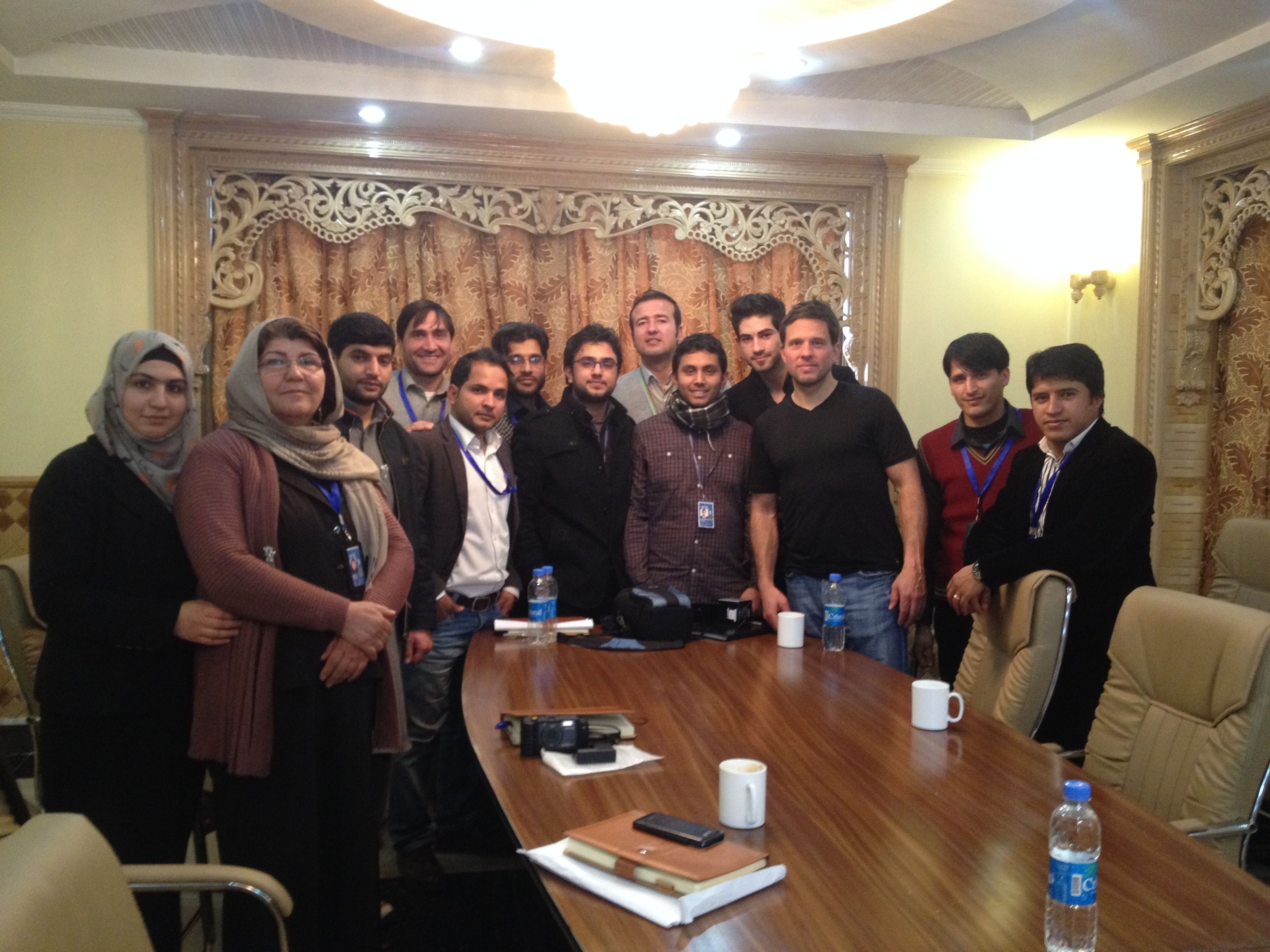
IMG_0120-smallWow, what fun! I really didn’t expect to have such a blast leading a photography workshop for local Afghan staff of a USAID project during my recent film shoot in Kabul.

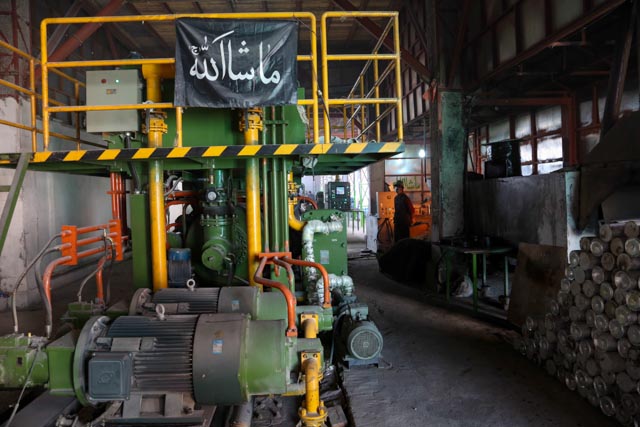
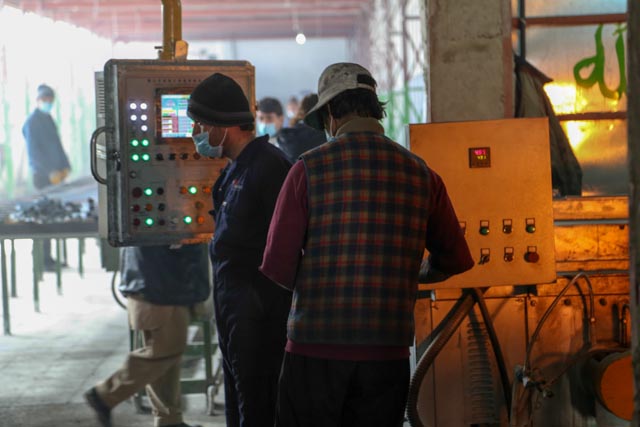
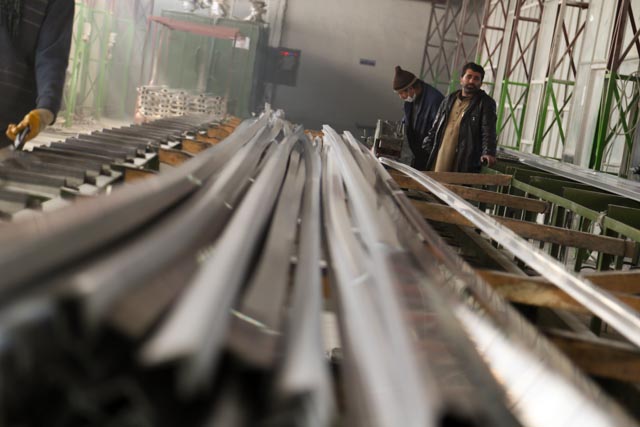
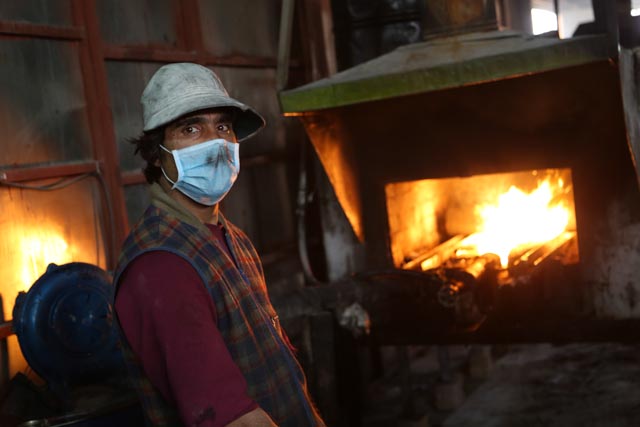
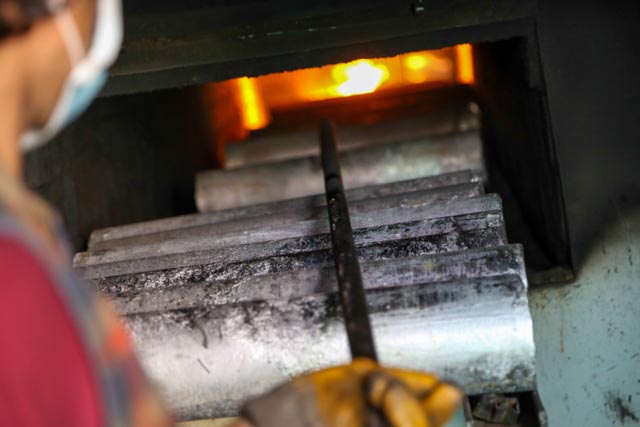
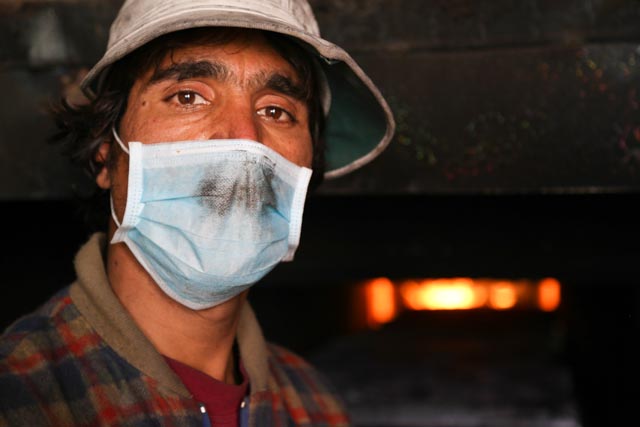
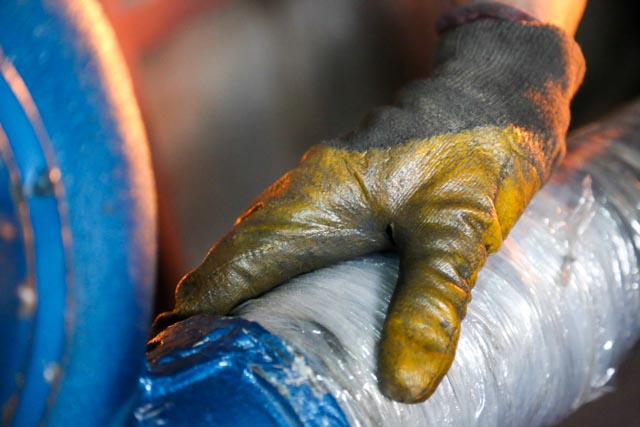
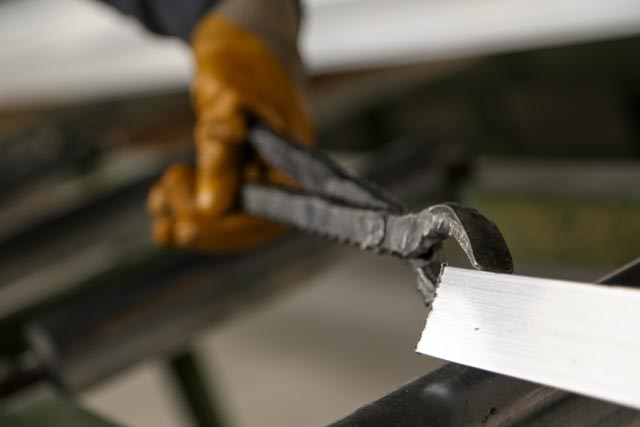
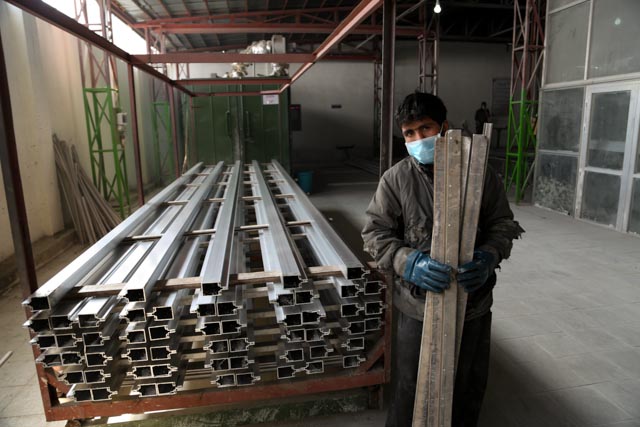
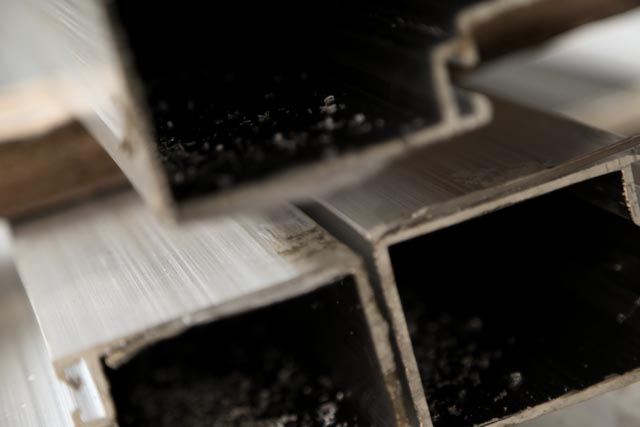
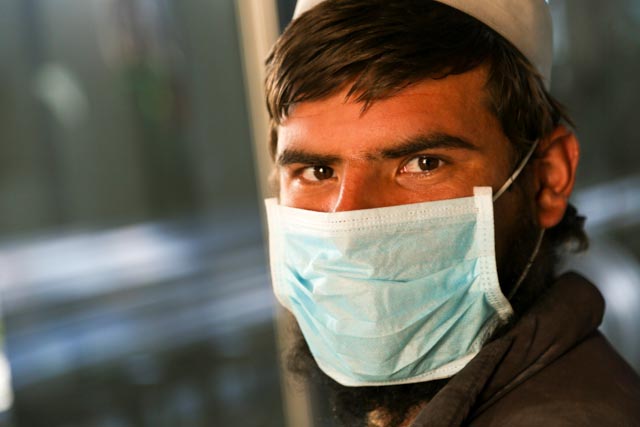
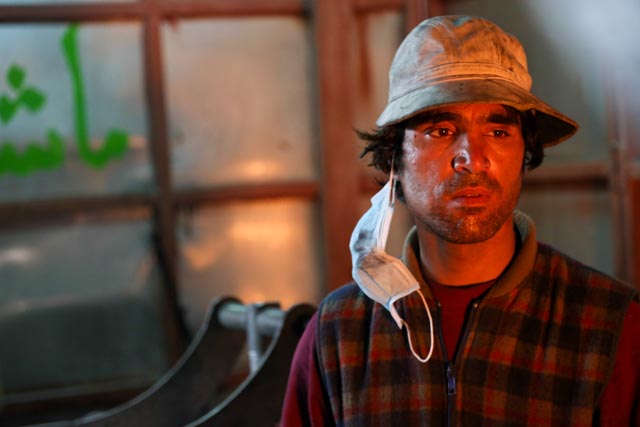
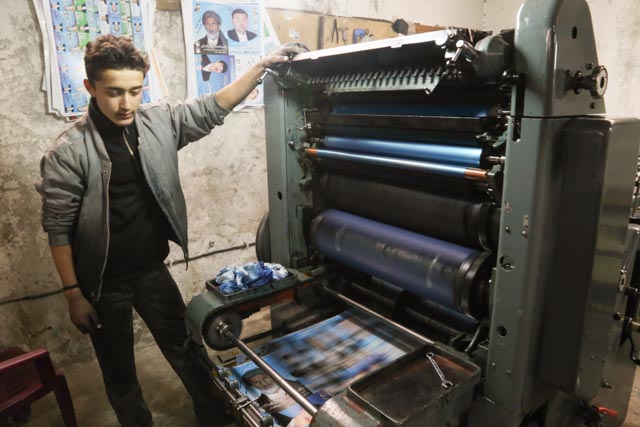
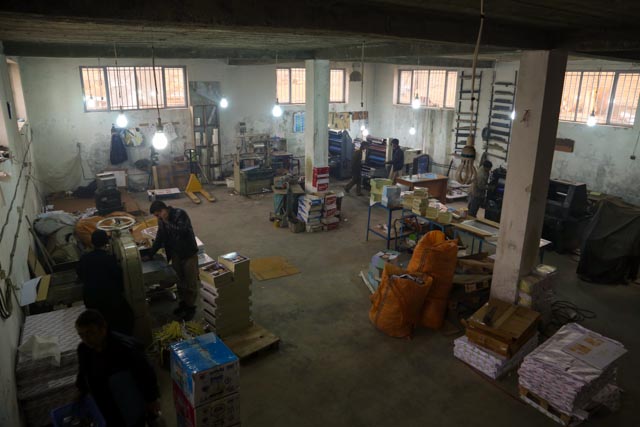
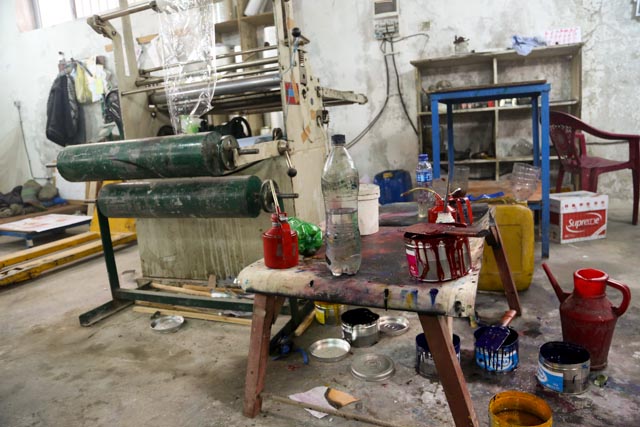
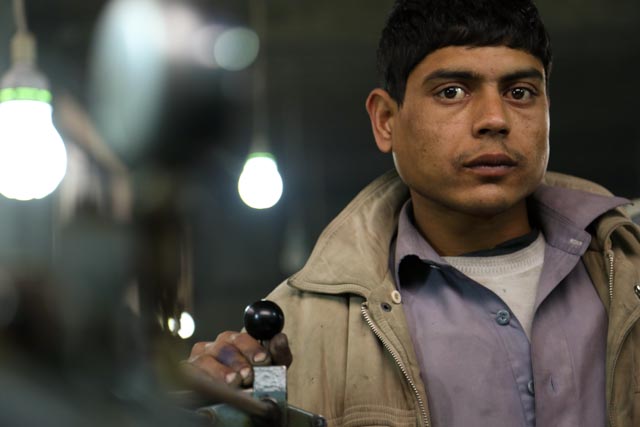
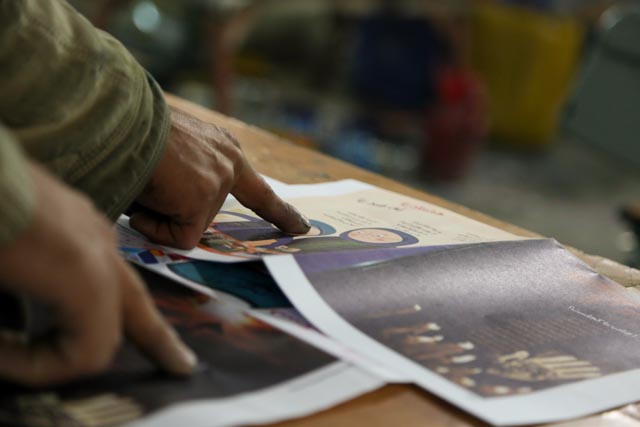
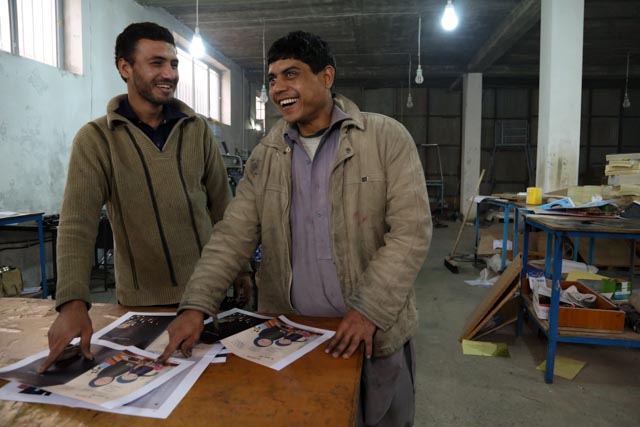
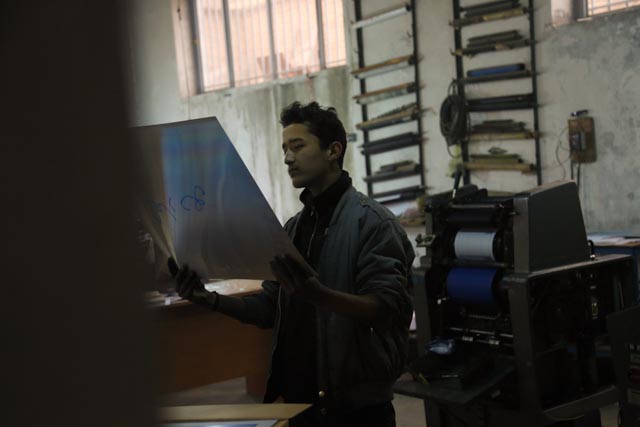
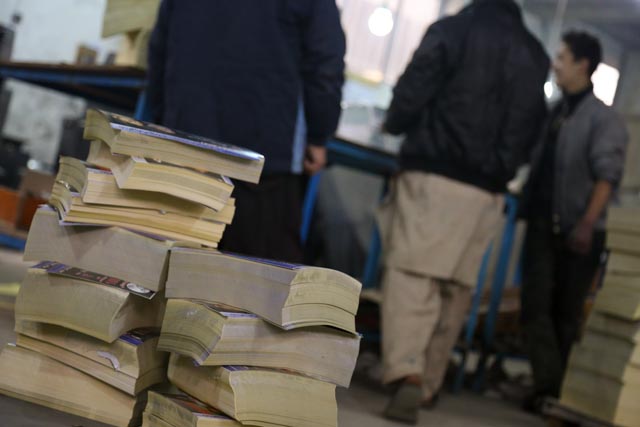
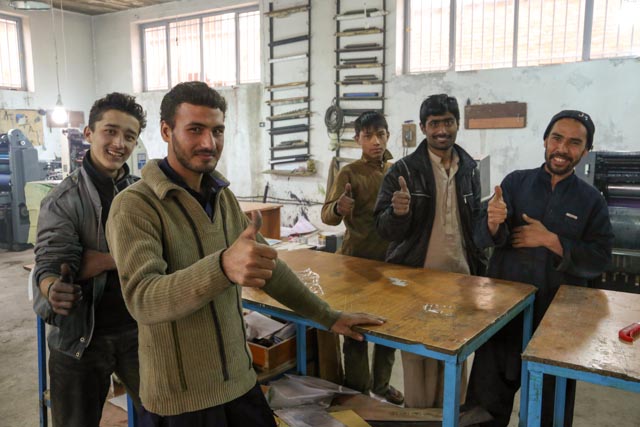
Then the next day I visited five companies to take photos of their work (see slideshows of aluminum smelter and printing company).

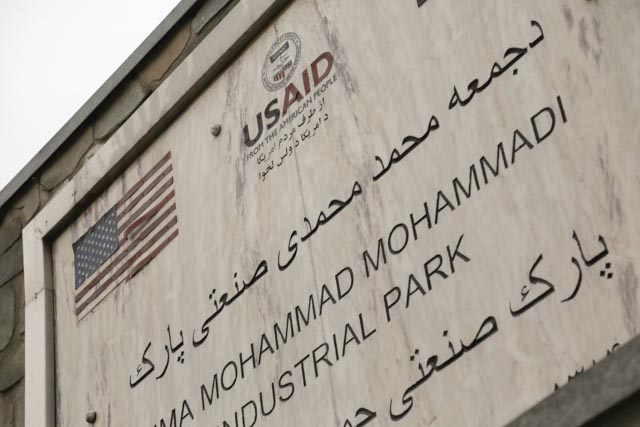
ABADE is a $105 million USAID project that offers technical assistance and business advisory services to Afghan companies on the rise. It stands for Assistance in Building Afghanistan by Developing Enterprises.


IMG_0120-small

Twelve staff joined, from as far away as Herat and Mazar. Most work in Kabul. All of them have other primary jobs—from program coordinators to monitors to engineers. But they had one thing in common: they wanted to learn how to take better photos (event organized by the incomparable Che Cuspero, ABADE’s Communications Manager).

The questions were great. I stayed practical. Most would be sharing the project’s only camera—the Canon 650D—so our conversation revolved around how to better use this camera. We covered camera fundamentals—ISO, aperture, and shutter speed. Then we talked about how to approach a scene better prepared, with a checklist of what to shoot. Finally, we analyzed a bunch of photos together—which showed how much the group had learned.

Thanks everybody for the interactive session! Great to meet you Yama, Bibidil, Elham, Kabul, Abid, Ibrahim, Mochtar, Boya, Wais, Abdullah, Toor, Obaid, and Nasir.

Stay in touch! And keep taking photos!

C100 rig: My love-hate affair . . . mostly love

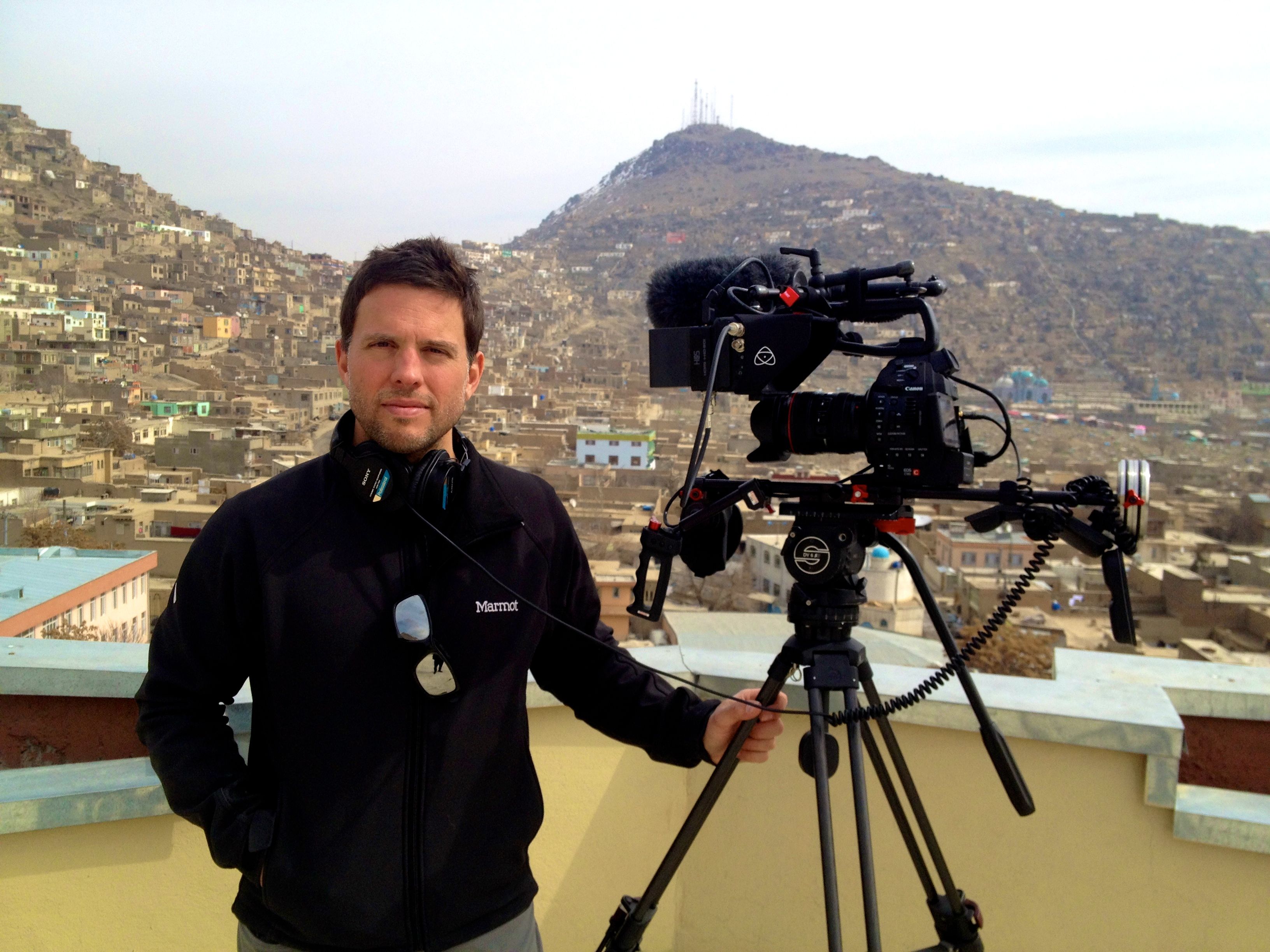
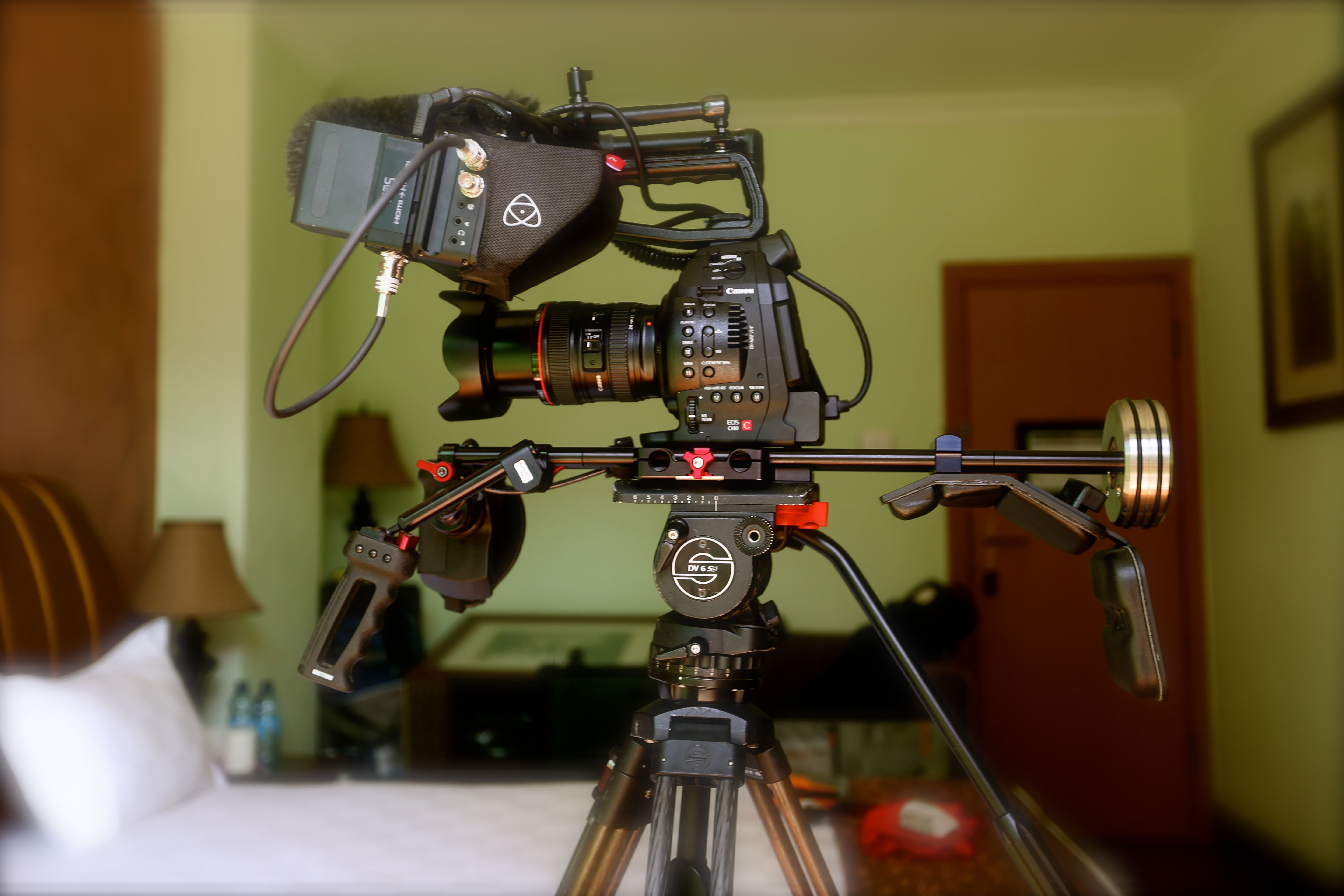
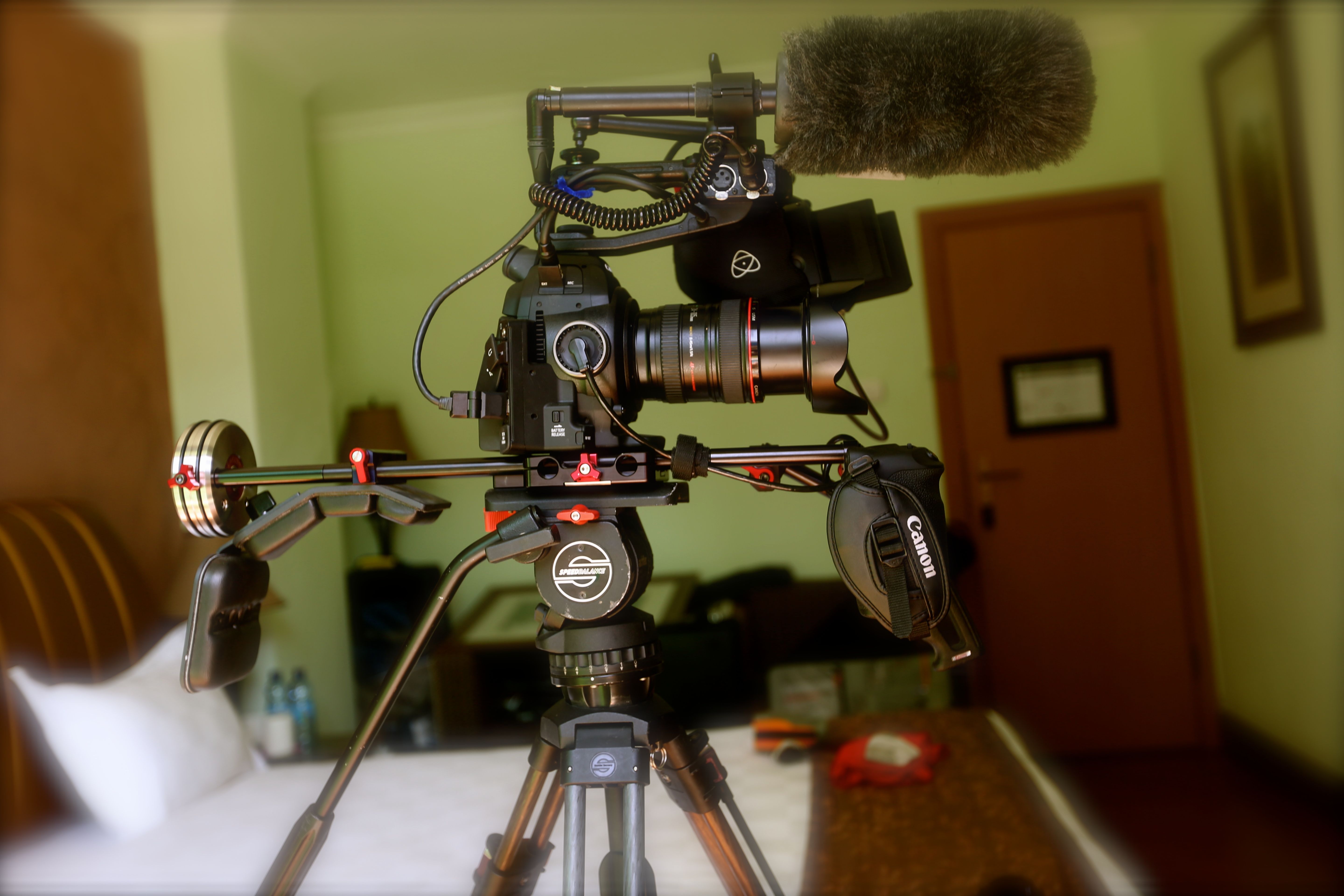
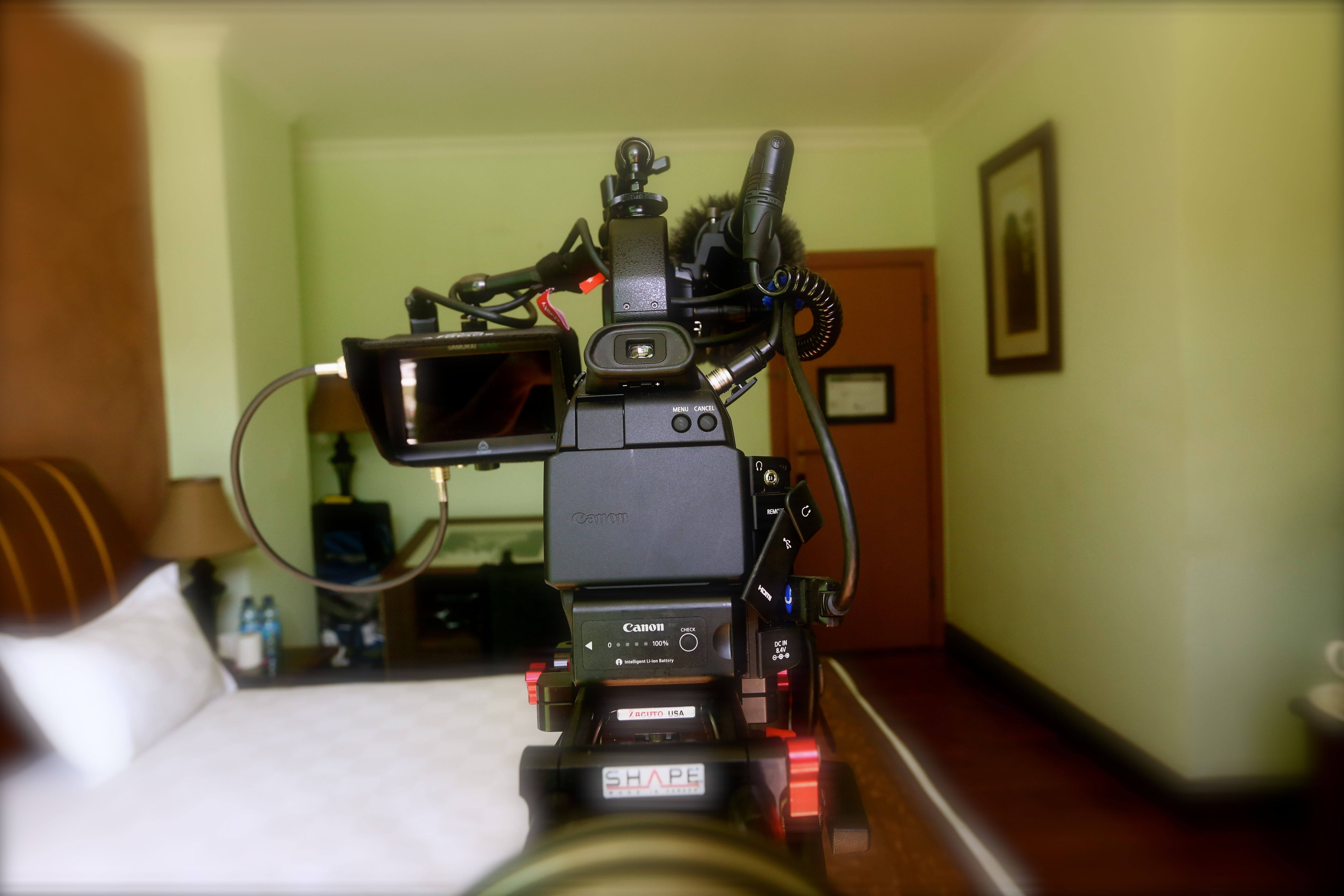
steve-kabul-cameraI just wrapped a three-country shoot—in Lebanon, Afghanistan, and Ethiopia—using my new Canon C100 rig for the first time, so I wanted to report on the pros and cons.

When I first considered the C100, I wanted the beautiful pictures that my Canon 5D Mark III gives, while addressing the 5D’s main limitations: no sync sound, not good handheld (too shaky), no built-in ND, and short record times.


Putting together the kit


In a dream world, I’d throw down some trust-fund cash on the Arri Amira with some compact Fujinon zoom lenses, the Cabrio T2.9 18-90mm and the Cabrio T2.9 85-300mm.

But currently my business is more documentary stuff, where I direct, produce, and frequently (but not always) shoot. At this point of my career, I can’t bill top dollar for my camera like a dedicated commercial DP might.

So while a lot of my friends are investing in the C300, it was off the table for me (at $14k for the body alone). The more I researched and talked with friends, the more I realized I’d need a ton of accessories to make the C100 operational. I got some good advice from Brooklyn-based DP/Producer Cameron Hickey. And fortunately, I worked with Jessica at Abel Cine to put it together (full rig specs below). Full price tag was around $9k.


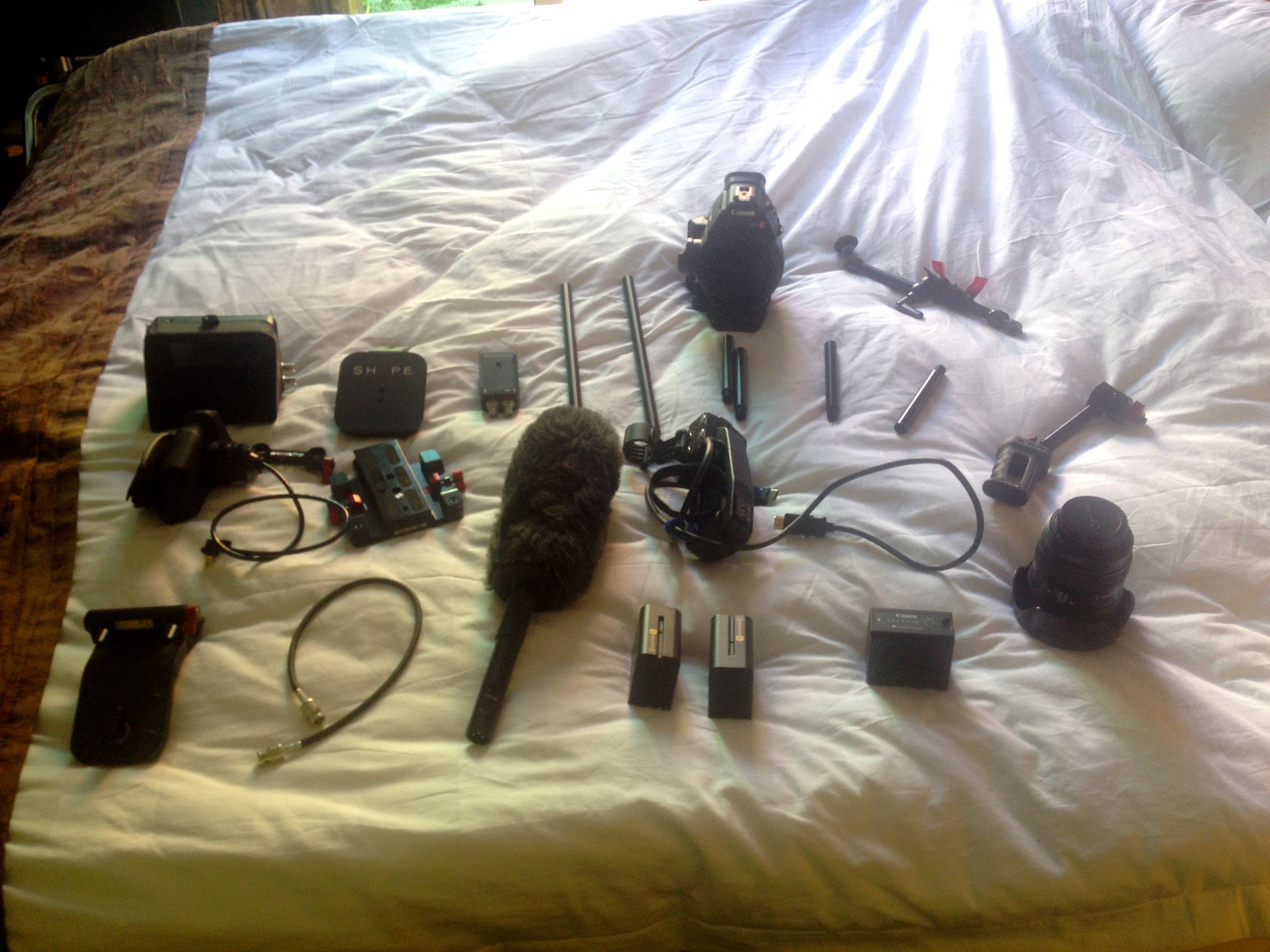
When I travel, I break down the C100 rig to its 23 (!!) component parts. The first few times I put it together, it took forever. These days, it takes about 15 minutes. I keep it assembled the entire shoot.


Verdict: A hate-love affair . . . mostly love


I shot for five days each in Lebanon, Afghanistan, and Ethiopia—three very different places. I definitely grew more accustomed every day, and am happy with the quality of its pictures at a good value—with one glaring exception, as I’ll describe below.

I shot 1920×1080 24fps, capturing ProRes to the external Atamos Samurai, which solves the AVCHD codec issue that people complain about. I used the two lenses I already had for the 5D—the Canon 16-35mm 2.8 and the Canon 24-105mm IS 4.0.

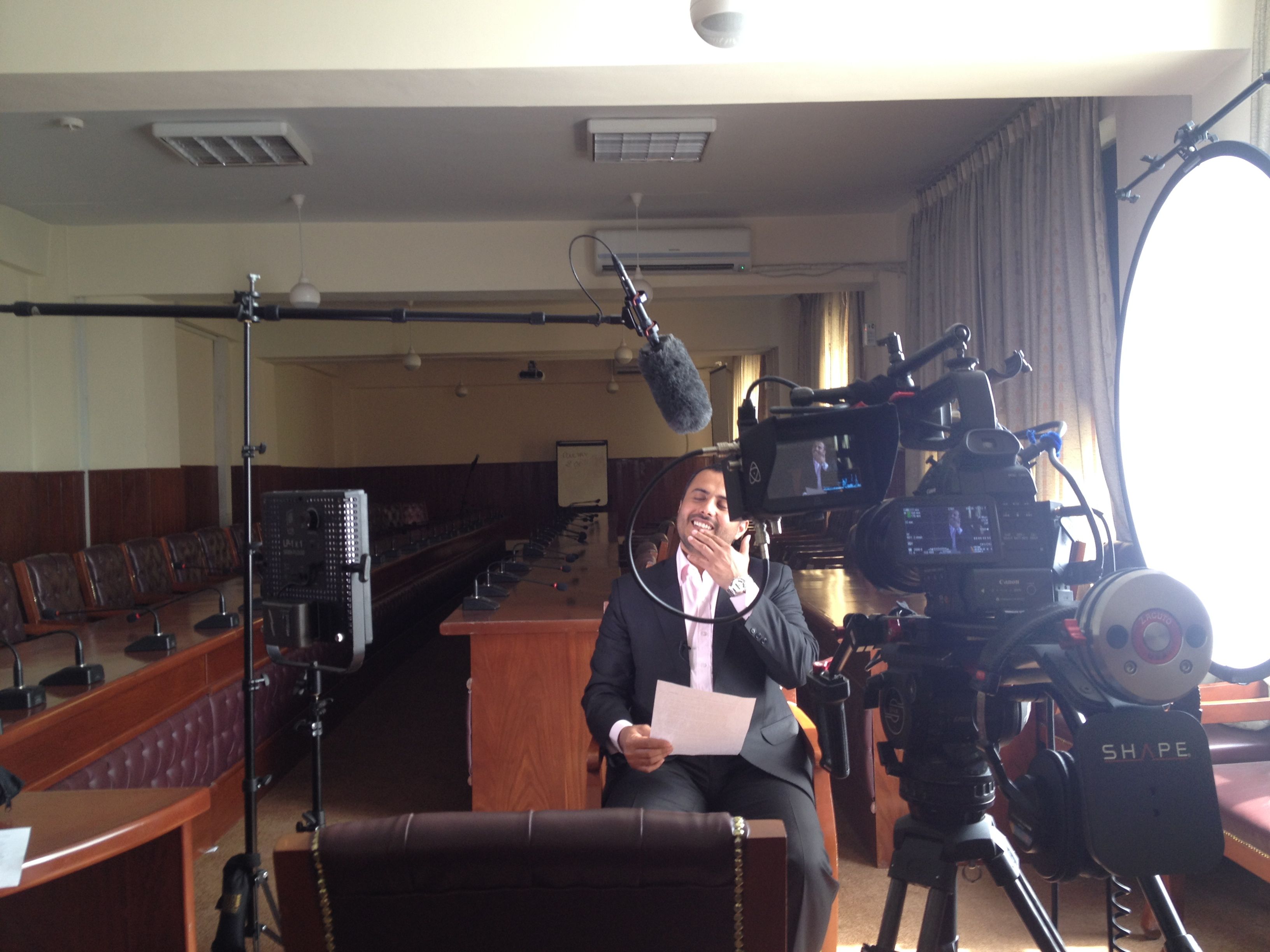
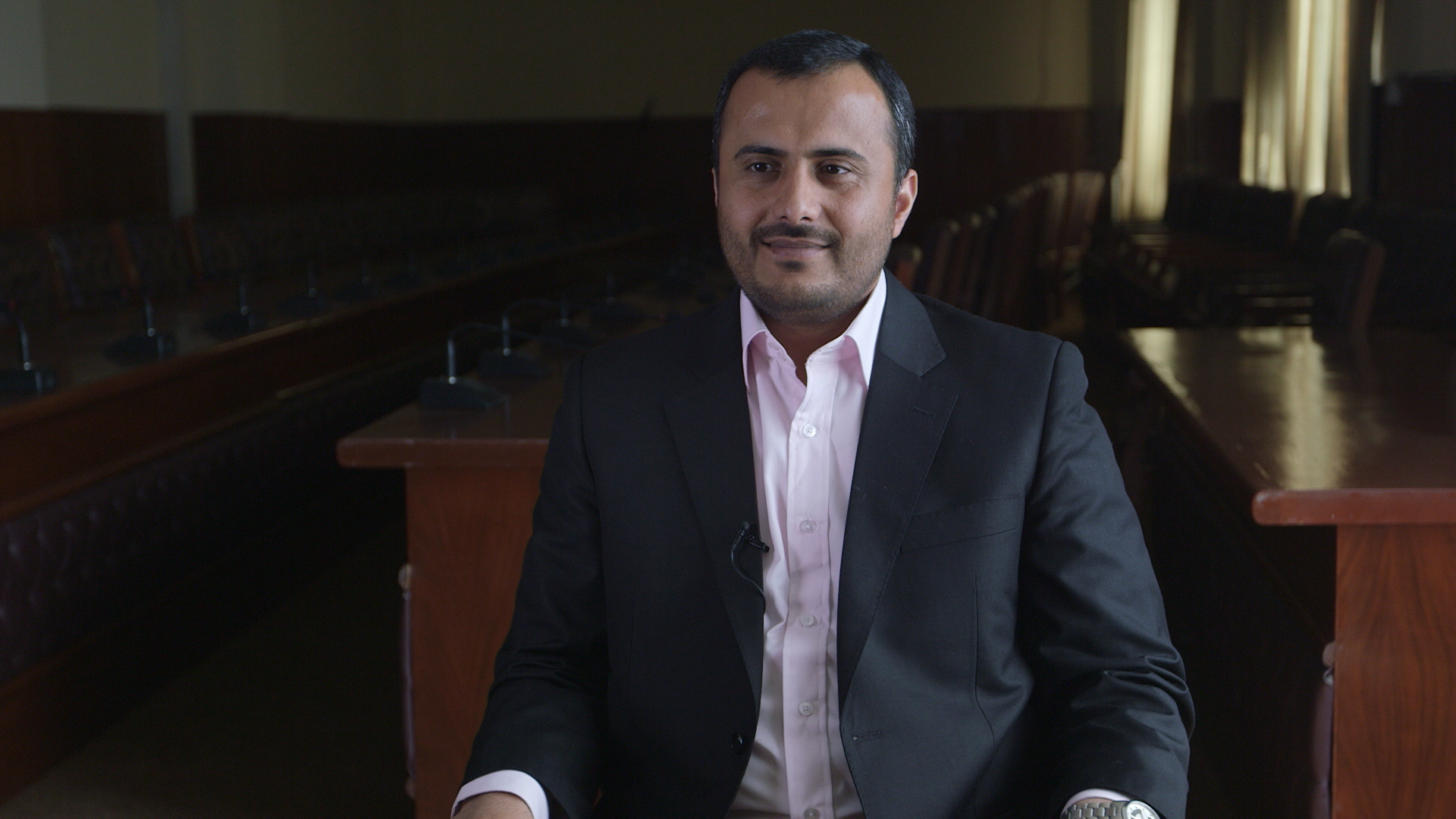
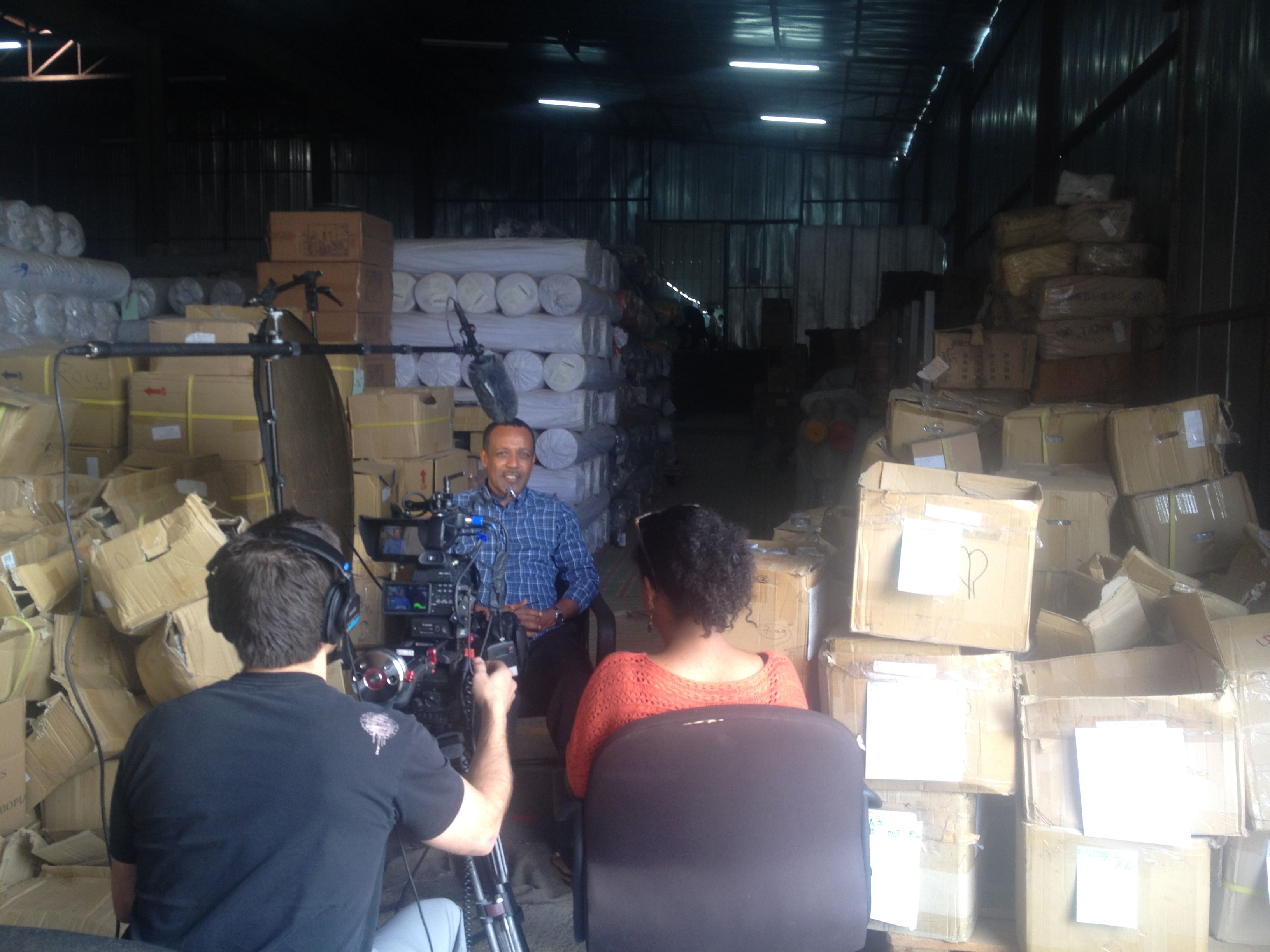
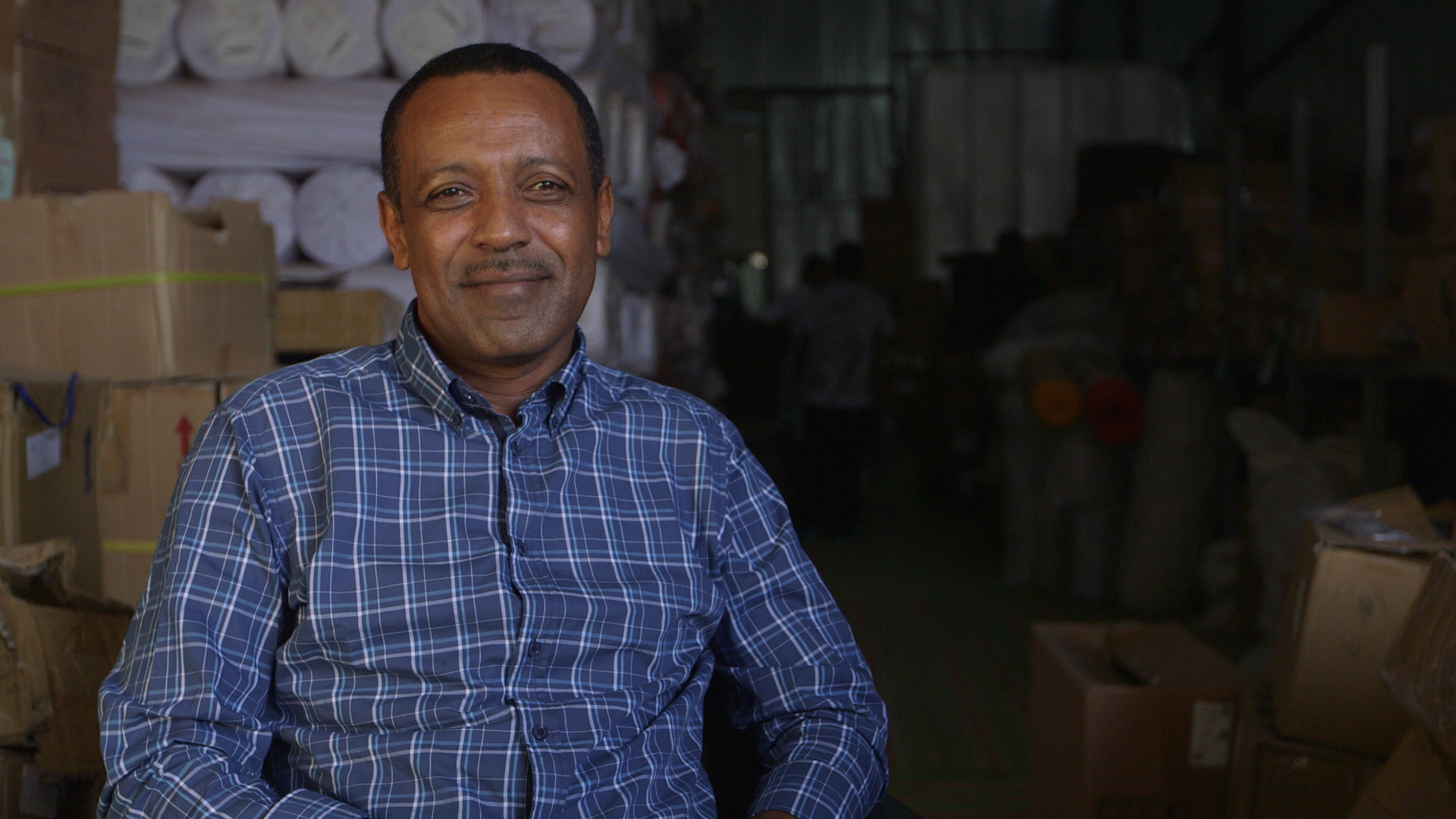
Here’s an interview set up in Kabul (and a still of the resulting footage) and an interview set-up in Addis Ababa. I was happy with what the C100 (and 2.8 lens) did. In Addis, we were shooting at a textile factory, where every indoor location was loud with people and machines, and every outdoor location was loud with traffic from the nearby highway. The only quiet space was the storage warehouse. I used natural light for the key and reflected back gold. It turned out great!


My C100 rig: the good


So, with no attempt to be official, here are some first impressions.

Image quality: The clear winning edge is the pictures. I’m happy with the final product.

Upgrades from 5D: The sync sound, built-in ND, and longer record times were super easy and worked like they should. It’s great to upgrade from the 5D’s limitations! With my external recorder, I’m getting 4 hours of ProRes footage on one SSD. I brought a second SSD, but never needed it. The rig rests on my shoulder like a regular ENG camera. It’s comfortable, but heavy. I’m pleased with how stable the pictures are, even when I zoom.

Ergonomics: The good. Canon’s put most of the buttons where they’re easy to locate without looking. With my right pointer finger: record, aperture, and ISO. When it’s time to make more drastic changes (ND filter, white balance), I can hold the rig with my right hand on the Zacuto ENG grip relocator and adjust stuff with my left hand.


My C100 rig: the bad


The glaring exception to all this good stuff is the interface between the C100 and the Atomos Samurai. I’m currently using the Samurai not only as a recorder, but also as a high-resolution monitor (1280×720, 5″).

The visibility is great about 90% of the time for me . . . until you’re in full sunlight. Then it’s just really tough to see. I struggled with this.

The ergonomics can be miserable. I have it connected via the Noga Cine Arm. The Samurai can get loose and rotate around on me at the most inopportune times. I like to jump on tables or crawl on the floor to try and get a good shot, so I regularly put some good torque on the Samurai that the Cine Arm sometimes couldn’t handle.

Also, the 3:2 pulldown can be hairy. For the first week, I didn’t understand it and kept getting crappy interlaced footage. Finally, I read the manual (duh!) and realized I’d been doing it wrong.


Conclusion


So, I’m in love-hate with my new C100 rig. During every shoot day, I’m 95% happy with the thing, but if you catch me in full sunlight or when the Samurai recorder is not cooperating, I hope you don’t catch what I’m muttering under my breath!

Then when I get back to the computer and see the pictures, I’m back in love again. . .  In this business, like so many, there’s give and take. And  I’m getting 4 hours of nonstop ProRez footage with a great Canon codec at less than $10k.

In terms of being a full-proof run-and-gun documentary camera, my C100 rig is not quite there. I’m hoping that with more practice on it — and perhaps an alternate solution for the Samurai — it will be everything I hoped for.


C100 rig: full specs


I started in  documentary film  as a director/producer and have kicking-and-screaming learned all the technical stuff that makes a shooter competent. The C100 has been no exception for me. It’s been a lot of research and conversations and practice.

So, here’s a list of what I’m using and a link to where I bought it. If I can help one person cut the time in half that it took me to figure this stuff out, it’ll be worth it.

If you found this useful, let me know! Thanks for reading!

Canon EOS C100 Cinema Camcorder (Body Only)

Canon BP-975 Battery Pack (3)

SanDisk 32GB Extreme SDHC Class 10 Memory Card (3)

Zacuto Studio Baseplate with 12″ rods for Canon C100- C300-C500

Shape Mini Composite Shoulder Pad

Zacuto ENG Grip Relocator

Atomos Samurai Blade

Atomos Sun Hood for Samurai Blade

High Speed HDMI Swivel Cable 3ft

Atomos CONNECT-H2S HMDI to HD-SDI Converter

Noga DG Hold-It Cine Arm – Medium

SanDisk Extreme II 240 GB SATA 6.0 Gbs 2.5-Inch Solid State Drive SSD SDSSDXP-240G-G25 (2)

Premium Belden 1505F Digital Video BNC Cable w. Canare Conn. – 1.5′

Sony InfoLithium L Series Battery – 6.6A (3)

Sony InfoLithium L Series AC Adaptor/ Charger – Dual Position – F970

Zacuto 4.5″ Black Male/Female Rod (4)

Zacuto Z-Lite

Shape Back Pad