Deprecated: Function WP_Dependencies->add_data() was called with an argument that is deprecated since version 6.9.0! IE conditional comments are ignored by all supported browsers. in /home/customer/www/stevedorst.com/public_html/blog/wp-includes/functions.php on line 6260

Blog

Shattered Sky: A Whirlwind of Good

Since the March 22 premiere of Shattered Sky at the DC Environmental Film Festival, it’s been a whirlwind of good: NY Times coverage and lots of contacts with festivals, colleges, and activists who want to play the film.

Most importantly, our Shattered Sky team is growing, and setting a solid foundation for a campaign to make a huge impact on the issues come September – the 25th anniversary of the Montreal Protocol, the international ozone treaty.

The New York Times article quoted me well: “Shattered Sky is not about the science. It’s about what a responsible leader does when there’s a good chance the science is right. It’s important to remember that the first draft of the ozone treaty wasn’t perfect. It was a first step. It showed the world that America was committed to lead — and that made all the difference.”

The festival was super. Expertly run, our screening was super packed. We had Sunshine Mendez moderating, with Rolling Stone editor Jeff Goodell joining Dan Evans and me on stage for the panel afterwards.

We had a private reception at the nearby Hotel Rouge following the panel, with about 100 people. National Wildlife Federation CEO Larry Schweiger talked about the educational partnership with Shattered Sky.

I’m personally really excited about this, and will write more as it continues to take shape. The outreach will focus primarily on high school and college. It will be national. It will be a combined science and civics curriculum. And it will focus on the positive message that America led the world to a solution on the ozone crisis during the Reagan Administration—and we can do it again on energy and climate.

If you’re on Facebook, you can see the photos of the film, the vibe, and the party.

It’s been a crazy month, but has exceeded all my expectations. Thanks to everybody for all you’re doing to get our campaign going. You know who you are!

Respects, Dr. Rowland

I was all set to write something today about how we just got our 400,000th fan on the Shattered Sky FB page, before our film festival premiere later this month, when a friend sent the Washington Post obit for Dr. Sherwood Rowland, chemist and Nobel laureate, who passed away over the weekend.

When I first met Dr. Rowland in 2007, he was already 33 years removed from the defining discovery of his career — that chlorofluorocarbons contribute to ozone depletion.

I remember how nervous I was before our interview at UC Irvine. Here was one of the most renowned atmospheric chemists in history. What if he and his doctoral student Mario Molina (co-Nobel Laureate) had never made the discovery? What if the ozone hole had kept growing? Would skin cancer be a much more serious threat today? Would crops and fisheries be suffering? What about our health and environment today if Rowland and Molina simply hadn’t done the work?

I recall how tall he was and how my hand disappeared in his as we greeted each other. Something from his bio jumped to my mind, and I mentioned it: that he’d been named the MVP in the AAU Chicago city basketball championship game in 1949. Dr. Rowland smiled and relayed some stories. Our interview got off to a good start.

The enclosed photo is a screen shot from a 2009 interview for Shattered Sky, my new documentary that compares the ozone crisis with climate change. I literally couldn’t have made the film without Dr. Rowland, who gave Dan Evans and me full access to his archives, going back four decades.

Dr. Rowland was the rare scientist in the 1970s who spoke forcefully for political action. He set a strong example that a scientist’s role didn’t end at the laboratory door, which paved the way for other strong scientists to speak out, including some in our film.

As Shattered Sky premieres later this month (and we announce an exciting nationwide educational partnership), a new generation will learn not only about Dr. Rowland’s discovery, but also about America’s success in solving the ozone crisis. My hope is that the story inspires us all to take action on climate change, because it’s the smart and right thing to do now for our energy, economy, and environment.

Respects, Dr. Rowland.


NIH Research and the Lives it Touches

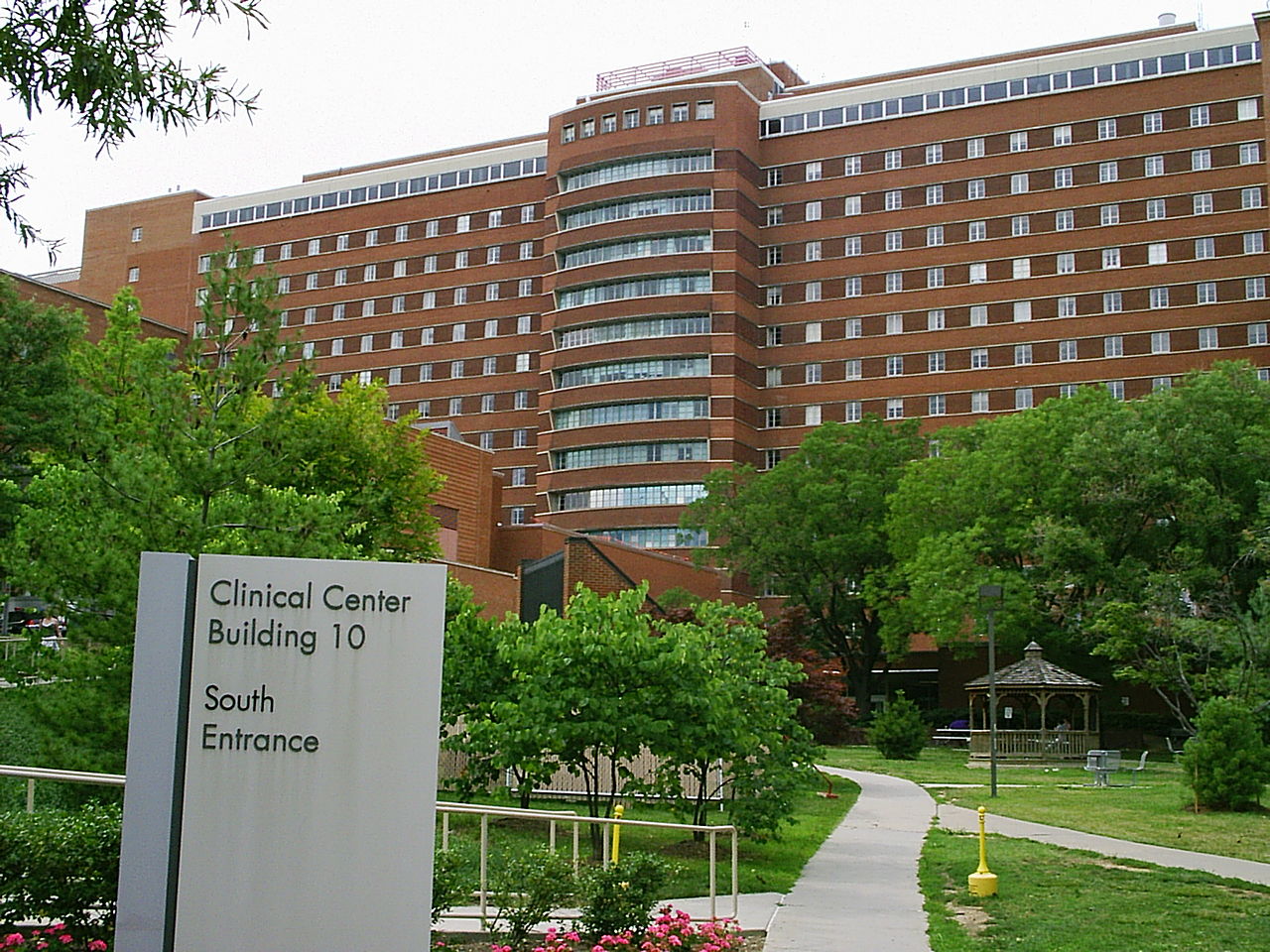
Had a shoot today at the National Institute of Health. Connected with a physician who is an expert on aplastic anemia. Spent some time in his lab. Did an interview. All for an episode of Bench to Bedside, a science documentary TV series that I’m shooting, editing, and writing.

Something he said really stuck with me. He said the American taxpayer is helping people around the world. We fund NIH. NIH does all kinds of research, there in Bethesda, Maryland, but also in collaboration with Universities around the nation. This research often centers on extremely rare diseases, even those that you don’t see much in the US. Gradually, with a lot of time, money, and expertise, our researchers indentify answers. As cures emerge, the world benefits.

In the case of aplastic anemia, Europe initially made great strides, and then US helped advance cures. Only 30 years ago, this disease was an immediate death sentence. Today, it’s on the verge of being something we can control. Instead of children dying within months and years, they can live full lives. Now, that’s a great bit of good news.